


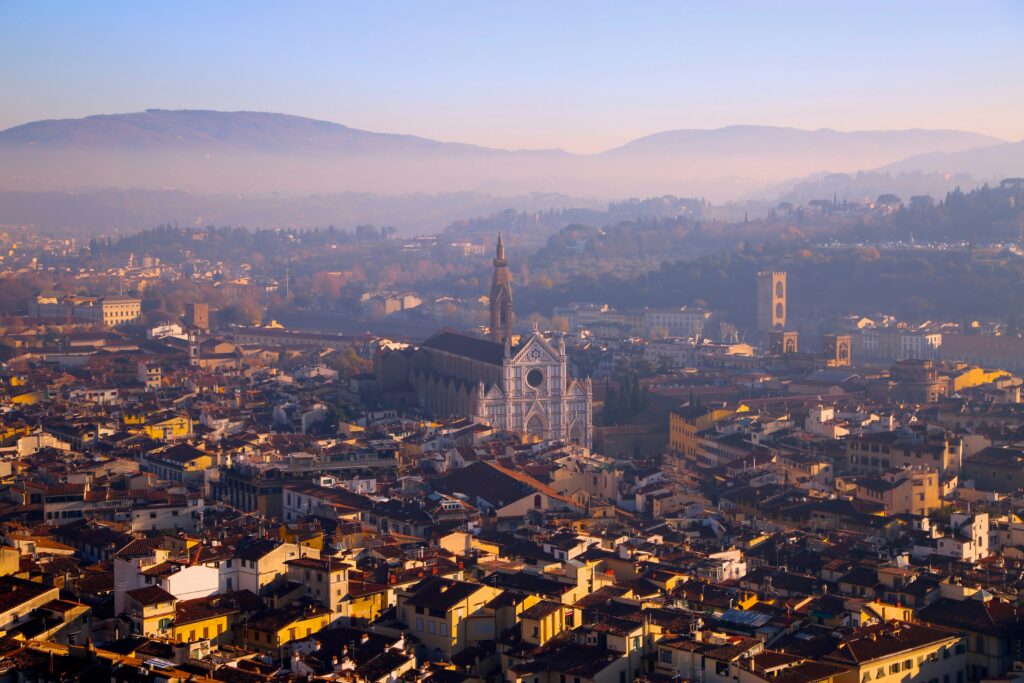
If you’ve looked at a few “best places to visit in Italy” lists, they probably all felt the same. Rome, Florence, Venice, Amalfi Coast, repeat. They’re not wrong, but they’re not personal either.
Italy delivers for almost every kind of traveler. But the best places to visit in Italy aren’t the same for everyone. What works for a first-time traveler will look very different from someone planning a slower, food-focused trip. If you’re trying to figure out where to go in Italy, clarity around your travel style matters more than any list.
This guide is organized by traveler type, not popularity. Find the section that fits how you travel, and go from there.
Thinking About Your Travel Style
Before you map out Italy itinerary ideas, it helps to get clear on how you want your trip to feel. The answers shape everything: which cities to base yourself in, how much to pack in, and what you’ll actually remember when you get home.
These are the questions I walk through with clients before we plan an Italy trip:
- Do you want to cover a lot of ground, or go deep in fewer places? Italy rewards both approaches, but they require completely different structures.
- Is this your first time in Italy, or are you returning? The classics earn their place on a first visit. By the second or third trip, the lesser-known regions start to feel like the real discovery.
- Do you prioritize art and culture, food, scenery, or a mix? Italy does all three well, but some destinations do one thing better than the others.
- How much do you want to think about getting around? Some of Italy’s most beautiful areas require a car or careful timing. Others let you arrive and settle in.
Best Places to Visit in Italy for First-Time Visitors: Rome, Florence, & Venice
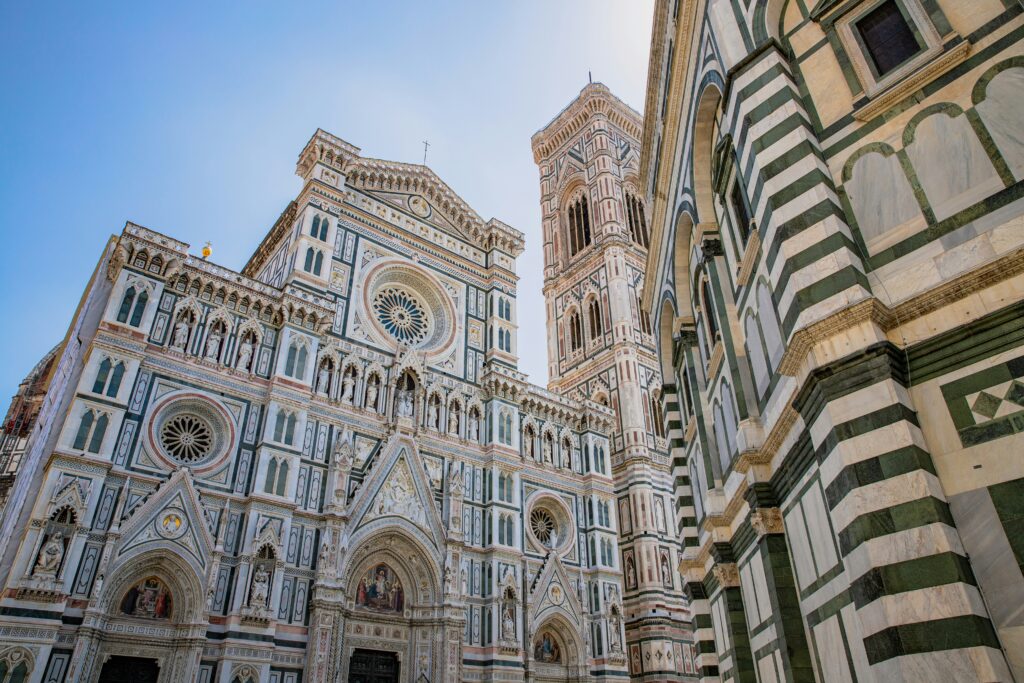
If you’re planning your first trip to Italy, this is usually where to start. And I know. You’ve seen these three destinations before. But they’re classics for a reason, and no amount of “go somewhere different” advice changes the fact that Rome, Florence, and Venice deliver on their reputations in ways that are hard to replicate elsewhere. The goal on a first visit doesn’t have to be originality. Sometimes the experience that holds up is exactly the one everyone told you to have.
ROME
Best For: History lovers, first-time visitors who want full cultural immersion
Region: Lazio (Central Italy)
Rome has a way of stopping you mid-street. You turn a corner and there’s the Pantheon, just sitting there, open to the sky, the way it has been for two thousand years. Then there’s the Colosseum. The Vatican. No other city in Italy gives you this much, which is exactly why it trying to rush it is where most trips fall short. The difference between two days and three isn’t one extra sight. It’s the difference between a highlight reel and a trip you actually felt.
Don’t miss: The Borghese Gallery. Book well in advance. It’s smaller and more intimate than any of Rome’s major sites, and the Bernini sculptures alone are worth the trip.
FLORENCE
Best for: Art, food, and a walkable city base
Region: Tuscany
Florence is walkable in a way that Rome and Venice aren’t, which does something good for your nervous system on a first Italy trip. You’re not constantly orienting yourself. You can slow down, notice things, come back to the same street twice.
Florence also puts Tuscany within reach. Siena, San Gimignano, and the Chianti countryside are all within an hour, which means the countryside isn’t a separate trip. It’s just a Tuesday.
Don’t miss: A meal in the Oltrarno rather than the centro storico. You’ll find better food, fewer tourists, and a more local rhythm.
VENICE
Best For: First-timers who want something unlike anywhere else in the world
Region: Veneto (Northeastern Italy)
Venice is one of those cities that divides people, and first-timers often aren’t sure what to expect. What I see most often is that most people who leave disappointed almost always gave it too little time. A day trip or a single night, a loop around St. Mark’s Square, and then on to the next stop.
The travelers who come home raving about Venice are almost always the ones who stayed a few nights, wandered into the quieter sestieri with nowhere particular to be, and found a bacaro they wanted to return to every evening. That kind of patience is what Venice is actually built for.
When you start planning how many days to allocate across your Italy itinerary, Venice deserves at least two full nights, ideally three, to experience it at the right pace.
Best Places To Visit in Italy for Travelers Who Want to Slow Down: Amalfi Coast & Lake Como
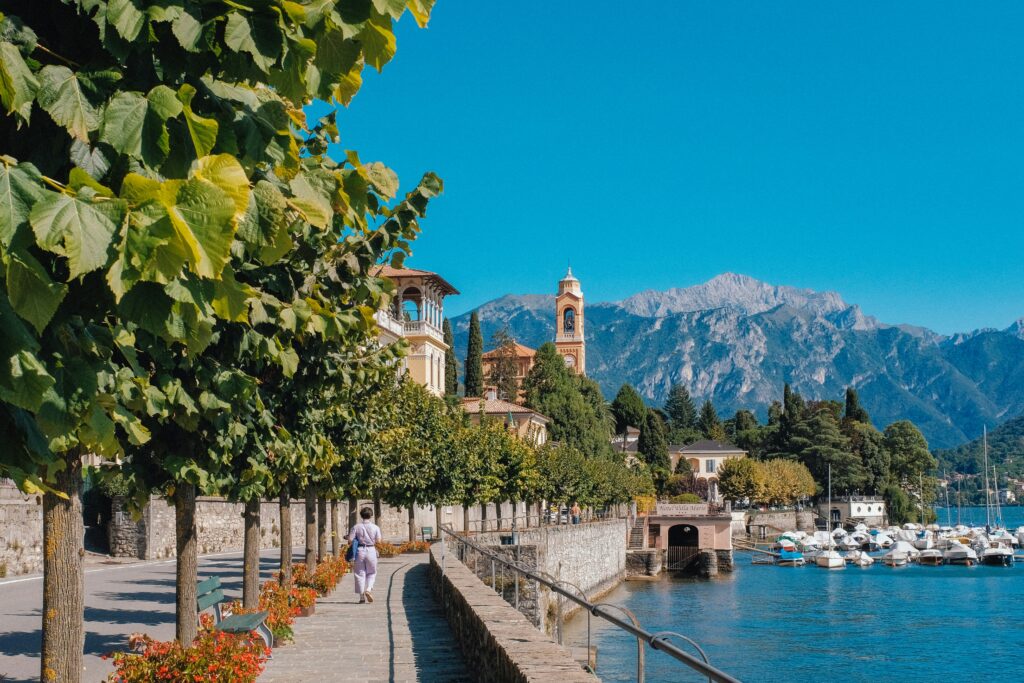
Not every traveler wants a fast-paced trip with multiple stops. For those who are looking for immersion over mileage and long lunches over long tours, these are the Italy travel destinations to base yourself in.
THE AMALFI COAST
Photographs haven’t lied to you about the Amalfi Coast. They’ve just failed to capture the scale of it. The cliffside villages, the road carved into the rock above the water, the way the light changes over the bay in the late afternoon: it earns its reputation.
What makes it work for slower travelers is that there isn’t much to do here in the traditional sightseeing sense. You eat well, you sit somewhere with a view, you take a boat trip along the coast. Travelers who arrive with a packed itinerary almost always leave wishing they’d done less and stayed longer. That’s the Amalfi Coast giving you a hint. The base you choose matters more than most planning guides acknowledge. Italy trips in popular areas like the Amalfi Coast also require more advance planning than most people expect, particularly when it comes to securing well-located properties during peak season.
Don’t Miss: The Path of the Gods, a cliffside hiking trail that runs between Agerola and Nocelle with views down to the coast. Many visitors don’t know it’s there, so you could have one of the most spectacular walks in Italy largely to yourself.
LAKE COMO
Best For: Travelers who want beautiful landscapes and a real escape from city pace
Region: Lombardy (Northern Italy)
Lake Como is best experienced slowly, which sounds obvious until you realize how many people arrive with a packed schedule and leave wishing they’d just stayed on the terrace and enjoyed the views. Days here are best spent with a morning ferry ride, lunch somewhere with a view, an afternoon with nowhere particular to be.
Como town is the easiest entry point from Milan, but Varenna and Bellagio are the ones worth staying for. Both are small enough that you’ll run out of things to do by noon, and that’s exactly the point.
Don’t Miss: The Bellagio to Varenna ferry. It’s a 15-minute crossing that most visitors skip in favor of driving the road, and the view from the water is the one you’ll remember.
Best Places to Visit in Italy for Foodies: Bologna & Sicily
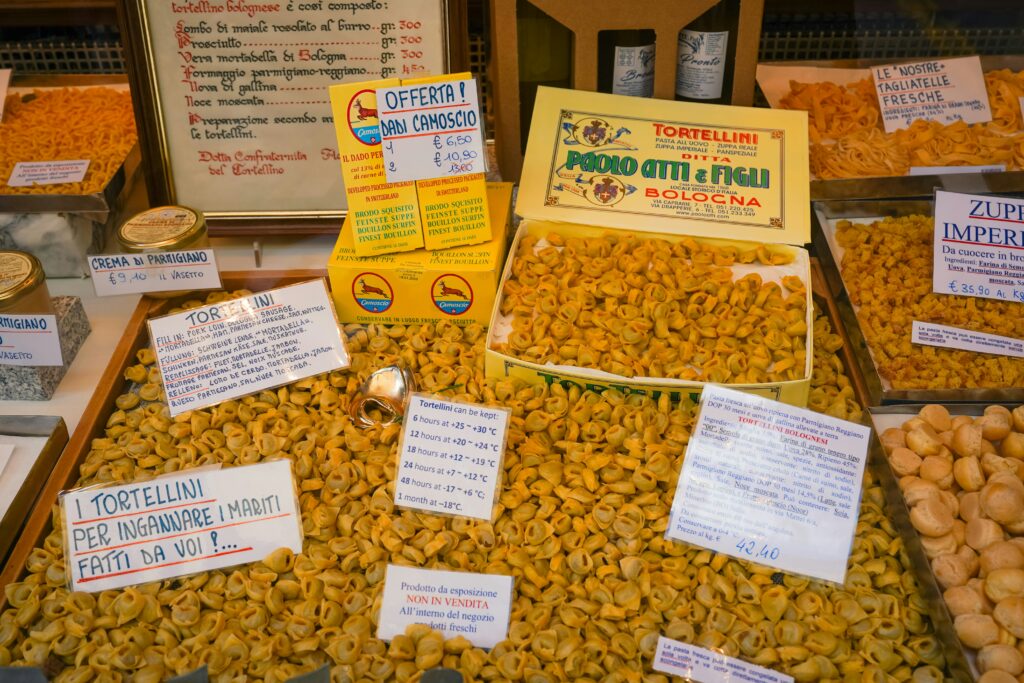
Italy is famous for food everywhere, but some destinations are organized around it in a way others aren’t. These are the ones to know if eating well is the primary reason you travel.
BOLOGNA
Best for: Serious food travelers who want to eat exceptionally well, without the tourist markups of Florence or Rome
Region: Emilia-Romagna (Northern Italy)
Bologna is widely considered the food capital of Italy. It’s also one of the most skipped cities on the standard itinerary, which is precisely the reason to go. Parmigiano-Reggiano, prosciutto di Parma, mortadella, and the ragu that the rest of the world calls Bolognese: they all come from this region.
Bologna doesn’t announce itself the way other Italian cities do. But walk it for an hour, through the long porticoed arcades that run for miles through the center, and it earns your full attention.
Don’t Miss: Tortellini in brodo at a trattoria that’s been open for decades. This is the dish that defines the city, and the gap between a mediocre version and an exceptional one is enormous.
SICILY
Best for: Travelers who want a completely different version of Italy, with food and culture that stand apart from the mainland
Region: Southern Italy (island)
Sicily feels like a different version of Italy altogether. It’s Italy inflected with Greek, Arab, Norman, and Spanish layers that produced a cuisine and a culture that feel distinct from anything on the mainland. Palermo’s street food scene is one of the best arguments for visiting Sicily that nobody talks about enough. Imagine arancini, panelle, and fresh cannoli eaten at a market stall, not a restaurant.
Sicily also has a scale that surprises people. It’s larger than most travelers expect, which means it asks for more time than most people give it.
Don’t Miss: The Ballarò or Capo markets in Palermo. They’re more authentic and less curated than the Vucciria. The food you’ll find there is the reason people keep coming back to this city.
Best Places to Visit in Italy for Returning Visitors: Sardinia & The Dolomites
If you’ve already spent time in Italy’s classic cities, the country still has a long list of places that are perfect for your next visit. These are the destinations that tend to delight even experienced Italy travelers.
PUGLIA
Best for: Travelers looking for southern authenticity, whitewashed villages, and an easy pace
Region: Southern Italy (the heel of the boot)
Puglia doesn’t perform for visitors the way other parts of Italy do. The villages are still largely local, the food is extraordinary without being precious about it, and the pace feels slower because it actually is.
The best way to experience Puglia is by car, moving through Bari, Alberobello, Ostuni, and Lecce. Alberobello is famous for its trulli: the conical-roofed stone houses unlike anything else in Italy. The architecture changes dramatically from north to south, and watching that unfold through the windshield is part of what makes the drive worth taking.
Don’t Miss: Staying in a masseria, a converted farmhouse or agricultural estate. Waking up on the property, surrounded by olive groves and open land, does something to the feeling of the trip that a hotel in town can’t.
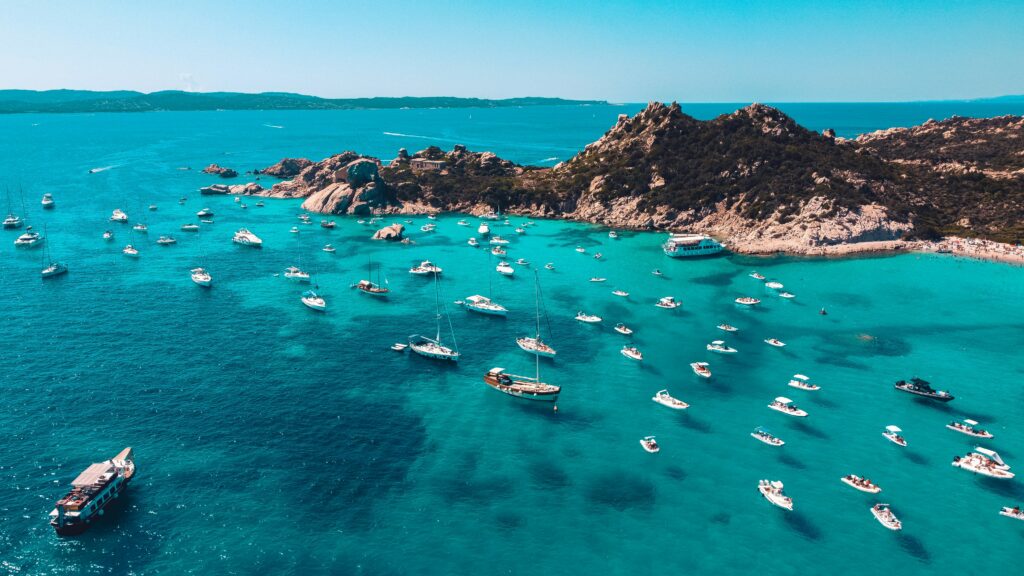
SARDINIA
Best for: Travelers ready for extraordinary beaches and a relaxed pace after the cultural circuit
Region: Island off the western coast of Italy
Sardinia tends to show up on the list after the first or second trip, when travelers start wondering what parts of Italy feel different. The answer is here, where you’ll find some of the most beautiful water in the Mediterranean.
The northeast coast around the Costa Smeralda is the most famous stretch, known for its luxury properties and beach clubs. But the interior is where Sardinia starts to feel like a completely different country. The landscape is rugged and largely untouched, and the villages are small. The experiences available here, like a shepherd’s lunch in the countryside or kayaking down a river canyon, have almost nothing in common with the Italy most travelers picture. Most visitors never make it this far, which means this part of the island is still largely yours to discover.
Don’t Miss: The beaches around Villasimius in the south, or the Maddalena Archipelago in the northeast for sailing and snorkeling.
THE DOLOMITES
The Dolomites are sheer and pale in a way that doesn’t look quite real from a distance. The valleys are improbably green, the villages are small and Alpine, and the food and culture carry a strong Austrian influence from centuries of shared history. It’s one of the most visually distinct parts of Italy, and one of the most surprising for travelers who associate the country primarily with ancient ruins and Renaissance art.
The two main bases in the Dolomites have different personalities. Cortina d’Ampezzo is the more polished entry point, with a strong luxury hotel scene and an international crowd. Ortisei, in the Val Gardena, is quieter and more rooted, with a Tyrolean culture that makes it feel unlike anywhere else in Italy. Both give you access to the same stunning landscape; the difference is in the pace and atmosphere around it.
Don’t Miss: The Tre Cime di Lavaredo circuit, one of the most iconic hikes in the Alps and accessible to moderately fit travelers without technical experience.
The Best Places to Visit in Italy Are the Ones That Fit How You Travel
The mistake most travelers make in Italy isn’t choosing the wrong destinations. It’s trying to experience too many of them in one trip.
The most satisfied travelers tend to choose fewer places and give those places more time. Three nights in Rome instead of two. A full week on the Amalfi Coast instead of two rushed days. A Puglia road trip instead of adding a sixth city to an already full itinerary.
The question isn’t really which places are best in Italy. It’s which version of Italy is right for you, right now. And once you know that, where to go in Italy becomes much clearer.
Ready to Plan Your Italy Trip?
If you’re still in the deciding phase or wondering whether you even need a travel agent, I walk through that here. Whether it’s narrowing down where to go in Italy or figuring out how long to stay, I’ll help you think through the right approach for your trip.
Frequently Asked Questions About The Best Places to Visit In Italy
There isn’t a single answer, because beauty in Italy is so varied. The Amalfi Coast offers dramatic coastal scenery unlike anywhere else in the country. The Dolomites are the most visually striking mountain landscape in Europe. Florence’s historic center is one of the most concentrated collections of Renaissance beauty in the world. The honest answer is that it depends entirely on what kind of beautiful moves you.
Two weeks is enough time to do Italy well if you’re selective. Most travelers can cover three to four destinations comfortably in 14 days, though the right number depends on what you’re doing and how you want to feel by the end of it. A dedicated guide to planning how many days you need in Italy covers this in much more detail, including what different trip lengths actually make possible.
Both, if you can manage it. But if you have to choose, Rome delivers a broader and more varied experience for first-timers: ancient history, Vatican art, neighborhood culture, and exceptional food all in one city. Florence is smaller and easier to settle into, which makes it appealing if you prefer a slower pace or want to use it as a Tuscany base. If you only have a week, Rome is the slightly stronger starting point.
Rome, Florence, and Venice form the classic first-trip circuit for good reason. Each one delivers something the others can’t: Rome for scale and history, Florence for Renaissance art and a Tuscany base, Venice for an experience that exists nowhere else in the world. The Amalfi Coast also holds up well on a first visit, as long as you’re willing to give it at least three nights.
Bologna. It’s consistently overlooked in favor of more photogenic cities, which means it’s still largely itself in a way that Rome and Florence can’t always claim. The food alone justifies the trip, the porticoed arcades are beautiful to walk, and the covered markets in the Quadrilatero are some of the best in Europe. Almost everyone who goes wishes they’d built in more time.
Northern Italy is logistically easier for most first-timers. It has strong transit connections, major cities, and manageable distances. Southern Italy, including Puglia, Sicily, and the Amalfi Coast, encourage a slightly slower pace and a higher tolerance for complexity. For a first trip, the north-to-center route from Milan or Venice through Florence to Rome is the most natural structure. Southern Italy tends to shine brightest on return visits.

Be the first to comment