


Choosing The Right Length of Time for Your Italy Trip
Italy is one of the most common destinations travelers ask me about, and the first question is almost always the same: how many days do you need in Italy?
The short answer is that there isn’t a single number that works for everyone. The right length of time depends on your travel pace, how many places you want to experience, and how much time you want to spend moving versus settling in.
When I plan trips to Italy for clients, I start with those factors first, because Italy rewards slower travel and thoughtful pacing. This guide breaks down what different timelines actually look like, so you can decide how many days make sense for the kind of trip you want.
The Short Answer (If You Just Want A Number)
Rather than thinking strictly about how many days you need, a more helpful way to approach this is what you can realistically enjoy in the time you have.
Here’s how I generally frame it:
- 7 Days: Best for one region of Italy, ideally with a single home base and a day trip or two
- 10 Days: A comfortable introduction to Italy, with time for two to three destinations.
- 14 Days or more: This is ideal for exploring more deeply, slowing down, or covering multiple regions without feeling rushed.
Any amount of time in Italy can be incredible when planned intentionally. The problems usually arise when expectations don’t match the time available.
Why Italy Takes Longer Than You Expect
Italy looks deceptively compact on a map, which is why many travelers assume it’s easy to cover a lot in a short amount of time. In reality, Italy rewards patience and planning far more than speed.
Travel between regions takes longer than most people expect, even when using high-speed trains. A day that looks simple on paper often includes packing up, getting to a station or airport, waiting, traveling, checking in, and settling again. That movement adds up quickly.
There’s also a BIG difference between seeing Italy and experiencing it. This isn’t a destination where you pop in, snap a photo, and move on. Meals linger. Cities invite wandering. Some of the most memorable moments happen when you’re not rushing to the next stop.
This is why trips that involve constant moving often feel more tiring in Italy than elsewhere. When I plan itineraries, one of the first things I consider is the number of transit days. Fewer moves almost always leads to a better experience, especially when time is short.
What a 7-Day Trip Really Looks Like
A seven-day Italy itinerary can absolutely work, with the right expectations.
Getting to Italy from the United States requires an overnight flight. Your first night is spent on the plane, and you’ll arrive in Italy on the morning of day two. Depending on where you’re headed, you may also have a connecting flight or train ride after landing.
On arrival day, the only plan I ever make for clients is a private transfer to the hotel. Maybe an early dinner if energy allows, but otherwise the goal is simply to adjust and rest.
By the time you’re fully settled, it’s usually day three. That leaves days four, five, and six to explore, with day seven reserved for your return journey home.
With only four true sightseeing days, a single base is key. This is not the time to hop around.
Seven day trips work best for travelers who:
- Want a focused experience rather than variety
- Prefer slower mornings and relaxed evenings
- Are comfortable saving “the rest of Italy” for a future trip.
Trips that work well in a week include:
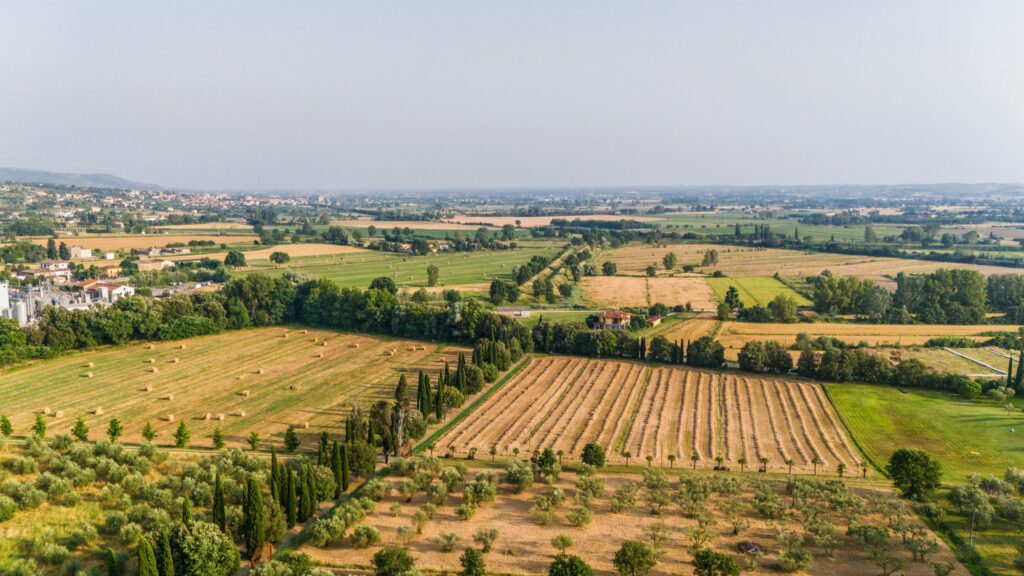
- Exploring Tuscany from one well-chosen base
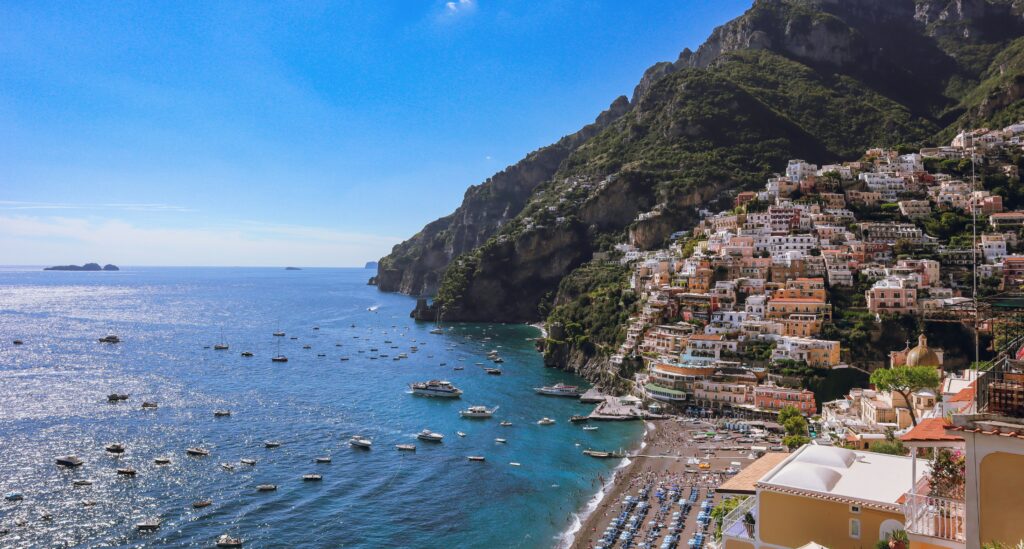
- Relaxing on the Amalfi Coast, focusing on one town with an easy day trip
- Enjoying the beauty and nature of the Dolomites
Seven days can be wonderful, but it requires restraint. Trying to squeeze in too much is where trips start to feel rushed.
What You Can Do Comfortably in 10 Days
Ten days is what I consider a true introduction to Italy. It gives you enough time to experience variety without feeling like you’re constantly on the move.
This timeline allows for better flow. You can settle into a destination, enjoy it fully, and still experience contrast without packing up every other day. For most travelers, two to three bases feels comfortable.
For first-time visitors, the classic Rome–Florence–Venice route can work well. With the right planning and pacing, ten days allows time for history, food, art, and wandering, rather than just checking landmarks off a list.
Other popular 10-day options include:
- Northern Italy, pairing the Dolomites with cities like Milan or Verona
- Southern Italy, combining places like Naples, the Amalfi Coast, and Sicily
Ten days is often the ideal Italy trip length for travelers who want to see more than one region but still enjoy the experience along the way.
When Two Weeks Makes The Most Sense
Having two weeks or more to spend in Italy is where options really start to open up.
This timeline allows you to explore multiple regions without rushing, build in slower travel days, and leave space for spontaneity. You’re not constantly watching the clock or counting how many mornings you have left.
With two weeks, you can:
- Balance cities with countryside or coast
- Include longer stays that allow for deeper exploration
- Enjoy rest days without feeling like you’re “wasting time”
This is often the right choice for travelers who value immersion over efficiency. The trip feels less like a highlight reel and more like a lived experience.
The Biggest Mistakes I See When People Plan Italy
Underestimating Transit Days
The most common issue I see is underestimating how long it takes to move between destinations. A travel day includes packing, getting to a station or airport, waiting, time in transit, and then repeating the process on the other end. These days take up more energy than most people expect.
Sometimes travelers share their dream itinerary with me, and I can see that they’ll spend nearly as many days moving as they will actually enjoying Italy. That’s usually a sign that we need to talk through priorities and expectations.
Treating Italy Like A Checklist
Of course there are iconic places in Italy that people dream of seeing, and I’d never tell travelers to skip what excites them. But Italy offers so much beyond its most famous monuments.
When travelers approach Italy with a “checklist” mindset, they tend to stick to the main cities and headline attractions. In doing so, they often miss the smaller towns and villages, the scenic drives between destinations, the long and unhurried meals, and the everyday rhythm that makes Italy feel so special.
Some of the most meaningful experiences happen outside the highlights. Walking through a quiet piazza at dusk. Enjoying a lunch that stretches longer than planned. Finding a place you didn’t know you were looking for until you arrived. I encourage travelers to be open to these possibilities.
Scheduling Every Moment
Even travelers who understand the appeal of smaller towns, scenic drives, and a slower pace can fall into the trap of scheduling every moment.
On paper, a tightly planned itinerary can look thoughtful and efficient. In reality, it leaves very little room for detours, spontaneous discoveries, or recommendations that come up along the way. A guide mentions a nearby village worth visiting. A concierge suggests a restaurant that wasn’t on your list. You pass something intriguing and wish you had time to stop.
When every hour is accounted for, those opportunities disappear. Italy is a destination that rewards flexibility, and some of its best experiences can’t be planned in advance.
Starting To Plan Too Late
When planning begins late, the ideal experiences in key locations may already be full. That often means adjusting regions, adding unnecessary travel time, or compromising on location. Those changes directly impact how many days you need and how smoothly the trip flows.
For example, if you can’t secure a hotel room in a town you love, you may end up staying farther away and spending more time in transit each day. That lost time adds up quickly.
Trip length and planning timeline go hand in hand. If you want the freedom to design a thoughtful, well-paced itinerary, starting earlier almost always gives you more flexibility.
If you’re unsure what the planning timeline should look like, I’ve shared more detailed guidance here.
How I Help Clients Decide What Timeline Makes Sense
When I plan Italy trips, I start by understanding how my clients like to travel. How quickly they move, what energizes them, how they feel about packing up and relocating, and what kind of experience they’re hoping to have overall.
From there, we decide how much time truly supports the trip they’re dreaming of. Getting the timeline right early makes every other decision easier, from choosing where to stay to shaping each day.
And when a client’s timeframe isn’t flexible, we work with what we have. Priorities become even more important. We focus on what matters most, simplify the routing, and design a trip that still feels fulfilling rather than rushed.
If you’re wondering how many days in Italy is enough and you aren’t sure what makes sense for your travel style, that’s a conversation I’m always happy to have. Italy is an incredible destination, and when it’s paced well, it really shines.

Be the first to comment