


This post was written in February 2026 and last updated in June 2026.
One of the most common questions I hear from travelers is: how far in advance do you need to plan a trip to Italy?
The honest answer is that it depends on when you’re traveling, what regions you’re visiting, and how important specific hotels or experiences are to you. But if you’re hoping for prime locations, thoughtful pacing, and access to sought-after experiences, planning earlier than you think is almost always the right move.
Italy is one of those destinations where availability directly shapes the experience. Waiting doesn’t mean you can’t take the trip. It just means you’re choosing between the remaining options instead of the right options.
The earlier you start planning, the more freedom you have to build the trip around what matters most to you, rather than around what’s still available.

So, How Many Months In Advance Should You Book A Trip to Italy?
If you’re looking for a general rule of thumb about when to start planning an Italy trip, here’s what I suggest:
- May through September: Plan 9–12 months in advance
- April and October: Plan 6–9 months in advance
- November through March (excluding holidays): Plan 4–6 months in advance
If you’re traveling with a larger group, visiting highly popular regions like the Amalfi Coast or Lake Como, or planning a milestone celebration, I recommend starting even earlier.
So if you’re wondering how far in advance you should plan a trip to Italy, the safe answer for most travelers is at least six to nine months, and closer to a year for summer travel.
These timelines assume you want well-located hotels, smooth logistics, and curated experiences, not just whatever happens to still be available.
Why Italy Trips Require Advance Planning
Italy has been popular for decades, but demand in recent years has increased significantly. Overall capacity, on the other hand, has not. In many regions, the number of hotel rooms, licensed guides, and daily tour permits remains relatively fixed.
Here are a few of the reasons why planning a trip to Italy well in advance truly matters.
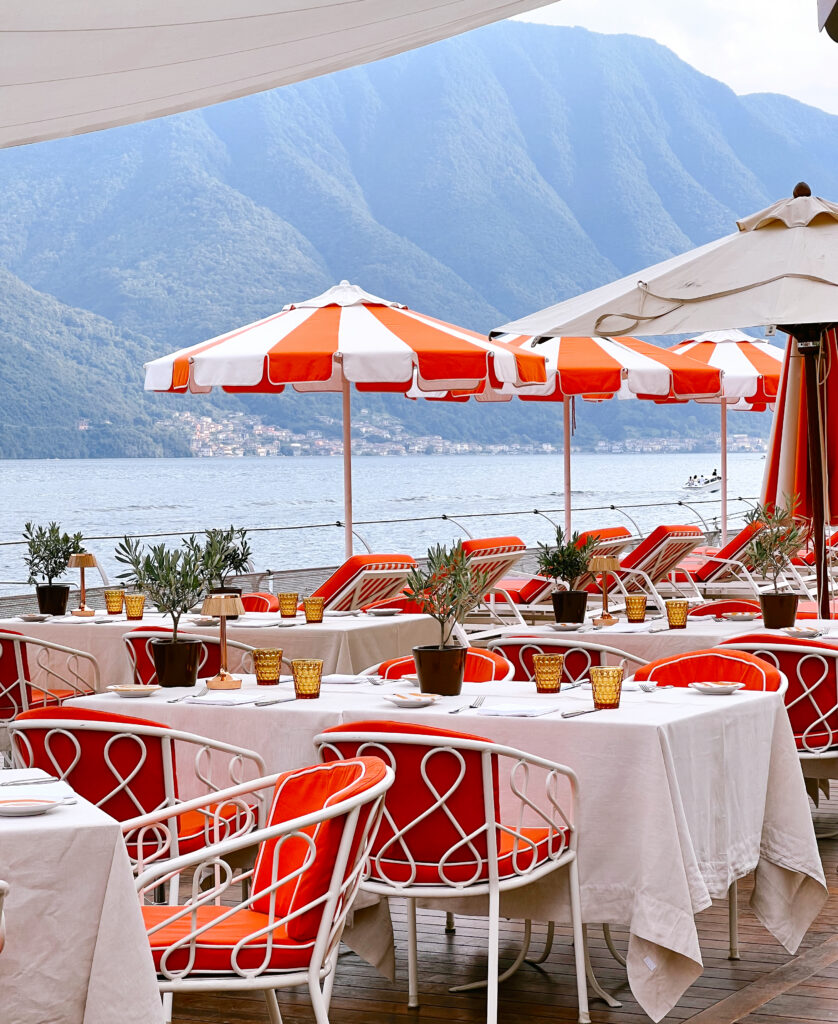
Hotel Inventory in Italy Is Limited
Many Italian hotels are small, family-owned properties with far fewer rooms than large chain hotels elsewhere in Europe. That intimacy is part of the experience, but it also means availability disappears quickly.
When travelers begin booking 9–12 months out, the most in-demand hotels, and their best room categories, are often the first to sell. By the time spring arrives, availability for summer can already feel tight, especially in places like the Amalfi Coast, Tuscany, Lake Como, or the Dolomites.
What’s left is often more expensive or less ideally located. The difference isn’t just where you sleep. It’s whether you’re staying in the hotel that genuinely fits your preferences, or simply choosing from what’s still available.
Peak Season In Italy Is Longer Than It Used To Be
Visitors still flock to Italy in July and August, but those are no longer the only high-demand months. May, June, September, and early October have become incredibly popular thanks to pleasant weather and the perception of lighter crowds.
As more travelers aim for these “ideal” months, what was once considered shoulder season now functions very much like peak season. Many travelers still think of these months as the easier time to plan an Italy trip. In reality, the most desirable hotels and experiences often book just as far in advance as summer, which is why I recommend beginning the planning process at least six to nine months ahead, even for shoulder season travel.
Guides and Specialty Experiences Fill Early
Private drivers, licensed local guides, individual cooking classes, and unique vineyard visits all operate with limited daily capacity. Because these experiences rely on the talented people of Italy, they can’t simply add more inventory when demand increases.
Many of the most respected guides and specialty providers are booked months in advance, especially in high-demand regions. If those experiences are key to the kind of Italy trip you imagine, early planning helps you secure them. You’ll build your days around the right people and experiences, rather than just availability.
Transportation and Regional Logistics Add Complexity
Italy’s train system is efficient, but popular routes and premium seat categories can sell out during high season. Ferry schedules along the Amalfi Coast and Cinque Terre operate on limited capacity, and private transfers must be reserved in advance.
When planning begins early, transportation can align smoothly with your hotel choices and preferred route. When planning begins late, logistics often dictate the itinerary, rather than the other way around.
Does Booking Early Save Money?
You won’t typically find last-minute discounts for trips to Italy. In fact, the opposite is often true.
Hotels release their inventory well in advance. As prime room categories fill, nightly rates often increase. The most desirable properties and locations tend to book first, especially during peak travel months. Waiting rarely results in better pricing for those in-demand stays.
There’s also a practical benefit to planning early: more time allows you to prepare financially. Deposits are spaced out, final payments are scheduled months later, and you have time to allocate funds intentionally rather than scrambling to make decisions quickly.
Early planning isn’t about chasing lower prices. It’s about giving yourself the best chance of getting the hotels, experiences, and overall trip you’re actually hoping for.
What If Your Timeline Isn’t Flexible?
Not everyone has the luxury of planning a year in advance. Sometimes work schedules shift, school calendars change, or an opportunity arises unexpectedly.
Beautiful, well-designed trips are still possible with shorter timelines. The difference is that the conversation usually shifts from “What’s ideal?” to “What’s available that still delivers a great experience?”
That might mean:
- Adjusting regions
- Choosing alternative but equally special hotels
- Simplifying the itinerary
- Reworking the route to fit availability
If your timing is tight but you want thoughtful planning, I’m happy to talk through possibilities with you. Reach out here.
More Time Means a Better Itinerary
Planning far in advance isn’t just about securing a room. It’s about creating space for better decisions.
When there’s time to think through options, compare regions, and refine the pace of the trip, the itinerary almost always ends up stronger.
When we start early, we have time to:
- Secure well-located properties that truly fit your travel style
- Choose room categories that work best for your travel party
- Align transportation and transfers thoughtfully
- Pace your trip so it feels enjoyable rather than rushed
Italy rewards slower travel and intentional design. Starting early gives you space to think through those decisions without pressure.
Final Thoughts: When Should You Start Planning a Trip to Italy?
If you’re asking how far in advance you need to plan a trip to Italy, it likely means you care about doing it well.
For most travelers, six to nine months is a safe planning window. For peak summer travel, closer to a year is even better.
Starting early gives you access, flexibility, and time to design an experience that feels thoughtful rather than reactive.
It means choosing from the hotels, guides, and experiences that fit your trip best, rather than building around what’s left.
And in a destination like Italy, that difference truly matters.
If you’re beginning to think about your own trip and want guidance on timing, regions, and how to build an itinerary that flows well, I’d love to help you map it out. Reach out here.

Be the first to comment