


The best time to visit Italy depends on which Italy you want. And that’s not a dodge. It’s actually the most useful place to start.
Most travel advice treats Italy like a single destination with one peak season. But a week in Rome in November feels nothing like a week on the Amalfi Coast in June, and neither feels like harvest season in Tuscany in October.
Each region has its own rhythm. Because of that, your timing decision and your itinerary decision are really the same thing.
This guide breaks down what each season offers and who it works best for so you can plan your timing alongside the right regions for your trip.
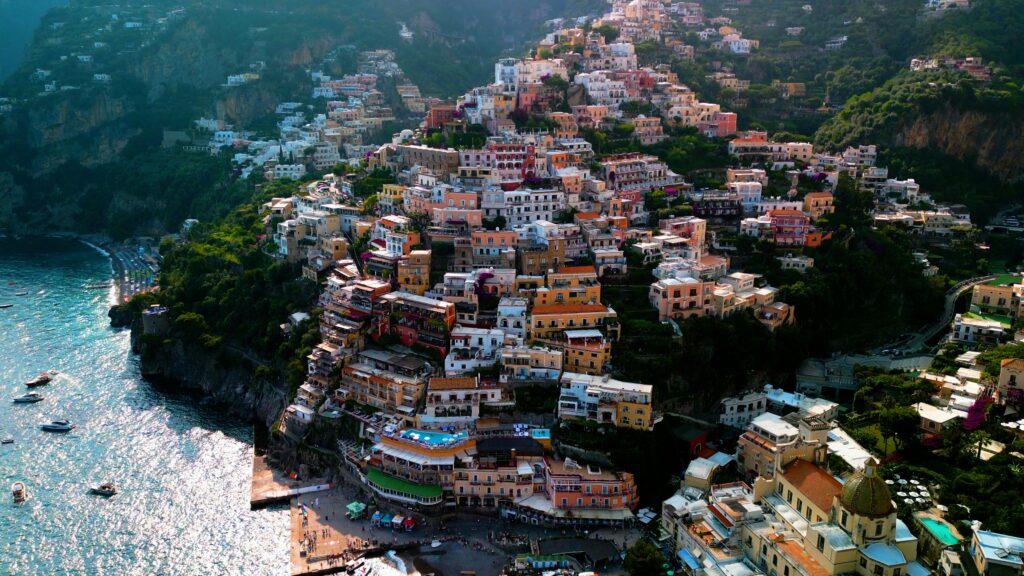
A Quick Way to Choose the Best Time to Visit to Italy
If you want a starting point before diving into the details:
- First-time visitors planning a multi-city trip: late April through early June
- Coast-focused trips (Amalfi, Positano, Cinque Terre): June or September
- Food, wine, and harvest experiences: September through October
- Fewer crowds and lower prices: November or winter city trips (Rome, Florence, Bologna)
The sections below add the nuance. You’ll find regional detail, honest tradeoffs, and the planning considerations most guides skip.
Visiting Italy in Spring (April through June)
Best for: First-time visitors, multi-city itineraries, travelers who want the classic Italy experience without peak summer pressure
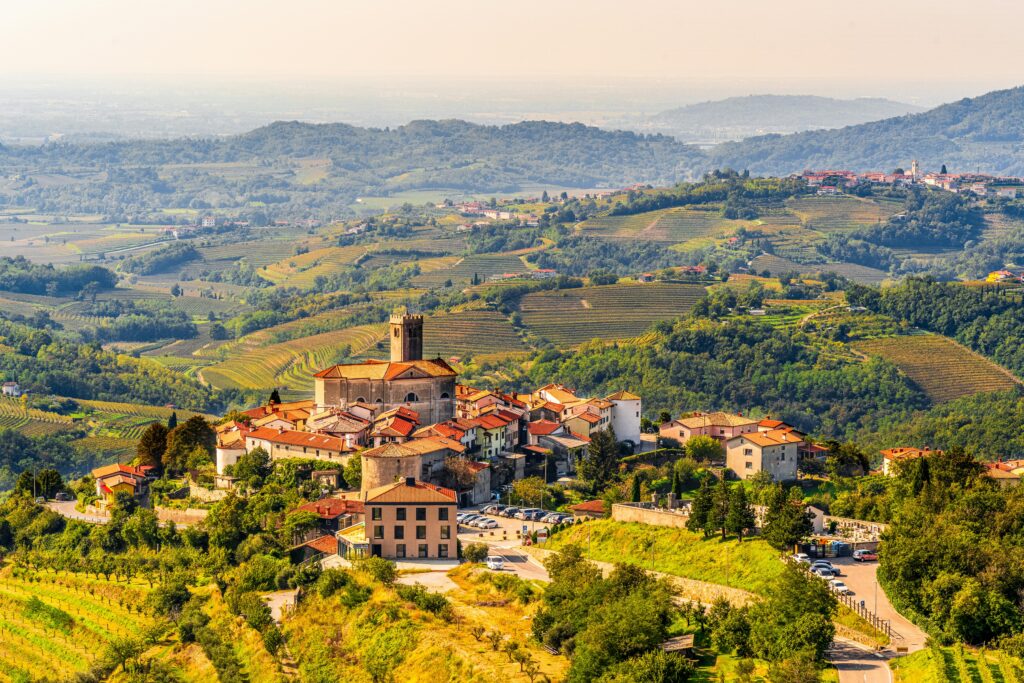
Spring is when Italy feels the most complete. You get comfortable temperatures, open terraces, and nature that feels alive again. For many travelers, this is the best time to visit Italy, especially for a first trip that includes multiple regions.
Rome and Florence in April and May are especially easy places to be. The days are long, the light is good, and you can move through the cities without feeling rushed at every turn.
Late May through early June is the sweet spot for Italy’s larger cities. Summer hasn’t arrived, but early spring’s unpredictability has passed.
The coast is a different story. The Amalfi Coast and Cinque Terre reach near-peak capacity earlier than most travelers expect. By late April, both are busy. By May, they’re crowded.
That doesn’t mean you should avoid them. It means you need to plan further ahead then you might expect, book well-located hotels early, and set realistic expectations for what a day there will feel like.
The Holiday Cluster That Catches Travelers Off Guard
April and May include three major holidays: Easter, Liberation Day (April 25), and Labour Day (May 1). When these fall close together, Italians take advantage of the ponte, or “bridge,” turning long weekends into longer breaks.
During these windows, domestic travel increases significantly. Trains fill up. Restaurants book out. Hotel rates rise.
If your trip overlaps with these dates, plan as if you’re traveling during a peak weekend.
Easter is worth noting separately. Holy Week brings large crowds to Rome for religious observances. If that experience matters to you, that time can be incredibly meaningful. If it doesn’t, consider adjusting your timing and spending those days somewhere quieter.
Mistake to avoid: Assuming May is shoulder season everywhere. It is in some cities. It is not on the Amalfi Coast or in Cinque Terre, where late May already feels like summer.
Visiting Italy in Summer (July and August)
Best for: Travelers with fixed school-year schedules, beach-focused trips, the Amalfi Coast, Sicily, and Sardinia
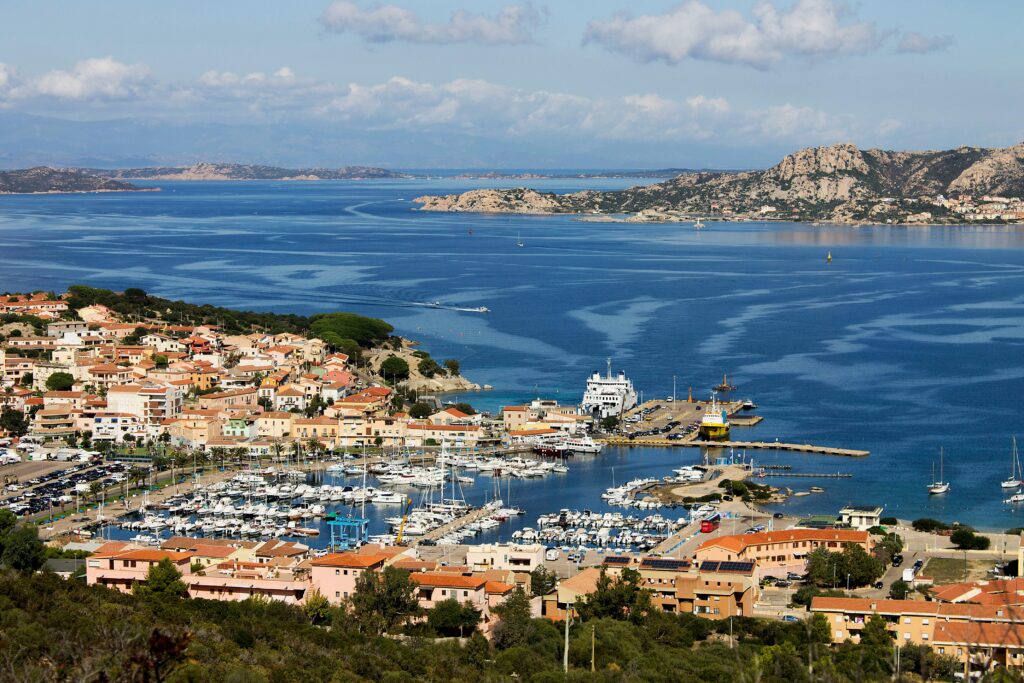
Summer in Italy is exactly what you think it is. It’s hot, crowded, and expensive. For the right traveler in the right place, it’s also completely worth it.
The coast is built for summer. The Amalfi Coast, Capri, Sicily, and Sardinia are at their best when the water is warm and the days stretch long into the evening. If being near the water is the goal, this season delivers in a way no other time can.
Rome and Florence are more complicated.
July temperatures regularly climb above 90°F. When you combine that with crowds and major attractions, even a short morning of sightseeing can feel exhausting. It’s doable, but it requires a different approach.
Ferragosto, on August 15, marks the peak of the Italian summer holiday season. Many locals leave the cities during this time, and some restaurants and shops close. Interestingly, that shift can make art cities feel slightly more accessible. The major sites stay open, and you’re visiting at a time when many locals are away. What changes is the daily rhythm of the city.
Republic Day on June 2 also matters. When it falls near a weekend, it creates a long break and increases domestic travel.
How to Make Summer Work If Your Dates Are Set
When clients come to me with fixed summer dates, the goal isn’t to work around the season. It’s to use it well.
That usually means starting with the coast, where summer is an advantage. Pricing will be higher, but you’re experiencing these parts of Italy in their prime.
It also means adjusting your daily rhythm. Start sightseeing early, ideally around 7 or 8am. Plan for a long midday break, then pick back up in the late afternoon and evening.
Private tours can help reduce time spent waiting in lines. Smaller towns and quieter neighborhoods can offer a better pace during peak hours.
The mistake is trying to run a spring or fall itinerary in summer conditions. The pace that works in May simply doesn’t hold up in July, and trying to force it usually leads to an exhausting trip.
Mistake to avoid: Trying to cover Rome, Florence, and the Amalfi Coast in one summer trip without adjusting for the pace, heat, and transit time between them.
Visiting Italy in Fall (September and October)
Best for: Food and wine travelers, repeat visitors, travelers who want a slower and more immersive experience.
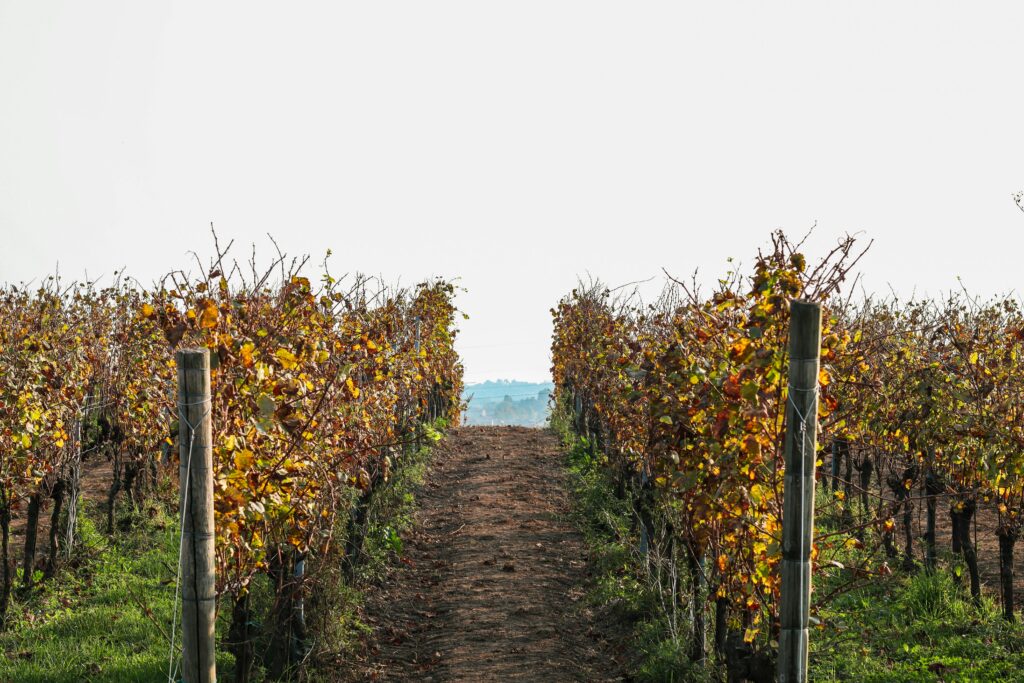
September is one of the easiest recommendations to make. Crowds drop quickly after late August, and temperatures settle into a comfortable range. If you love food, wine, and local rhythm, September is the best time to visit Italy.
Tuscany in September and October offers a version of Italy you won’t find at any other time of year. Grape harvest runs from late August through October. Olive harvest follows in October and November. Truffle season begins in October.
Venice also changes meaningfully in the fall. Crowds thin, and the city becomes easier to move through. Starting in October, acqua alta, or seasonal high water, becomes a factor. For most travelers, it’s more atmospheric than disruptive. It’s something to be aware of, not something to avoid outright.
The Amalfi Coast is still fully operational, with warm water and slightly less intensity.
All Saints’ Day on November 1 brings moderate domestic travel. It’s less impactful than the spring holidays, but still worth noting when planning reservations.
Mistake to avoid: Waiting too long to book Tuscany in harvest season. The best agriturismos and wine country properties often fill months in advance.
Visiting Italy in Winter (December through March)
Best for: City-focused trips, repeat visitors, travelers who want fewer crowds and a different pace.
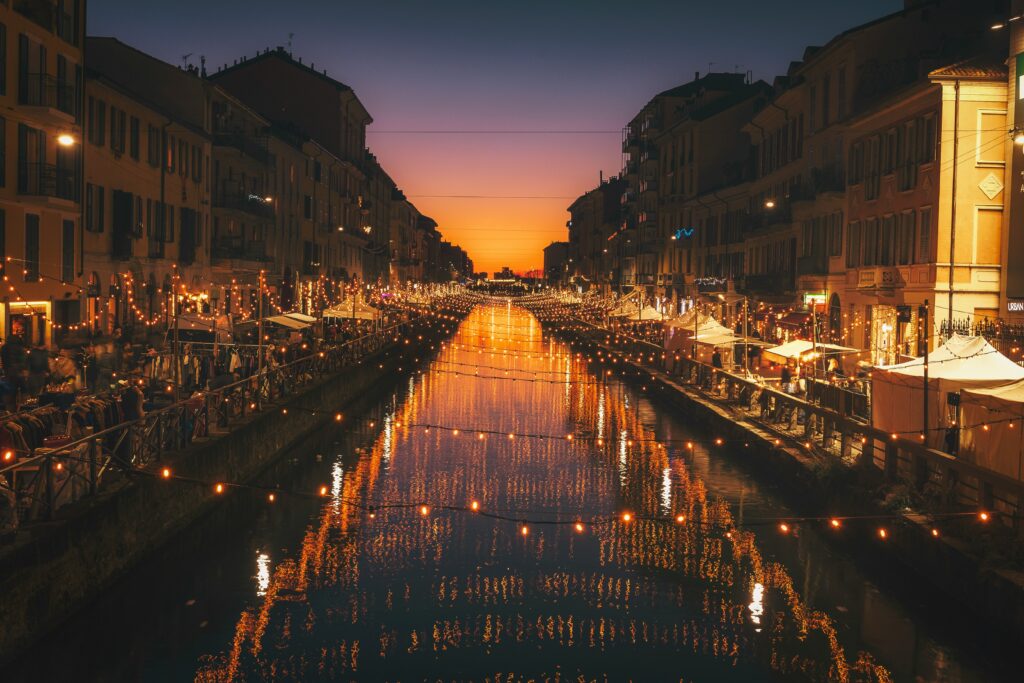
Winter shifts the focus entirely.
Rome, Florence, and Bologna feel quieter and more local. Tourist volume drops, which means easier reservations, shorter lines, and a more relaxed experience overall.
The Christmas season adds another layer. From December 8 through January 6, Italy leans into its traditions. You’ll see nativity displays, local markets, and celebrations that feel rooted in place.
New Year’s Eve is lively, especially in Rome. It’s also one of the few winter moments when hotel rates increase, so it’s worth planning ahead.
After January 6, the pace slows further. January through March is the quietest stretch of the year.
What Winter Doesn’t Do Well
The coast changes significantly in winter.
The Amalfi Coast, Cinque Terre, and Lake Como operate on a limited schedule. Many hotels close. Ferries stop running. The experience that makes these destinations special is largely tied to warmer months.
Northern cities like Venice and Milan are cold and often gray. Some travelers enjoy the atmosphere. Others find it harder to connect with.
Mistake to avoid: Building a winter itinerary around coastal destinations. This is the season for cities, not the coast.
Italian Holidays That Affect Your Trip
Italy has 12 national holidays each year, along with local patron saint days that vary by city.
The ones that matter most are the ones that cluster together, because that’s when domestic travel increases and availability becomes tighter.
Here are the key dates to know:
- January 1: New Year’s Day. Quiet cities after a festive night
- January 6: Epiphany. Marks the end of the Christmas season
- Easter Sunday and Monday: One of the busiest travel periods, especially in Rome
- April 25: Liberation Day. Often part of a longer holiday stretch
- May 1: Labour Day. Frequently creates a long weekend
- June 2: Republic Day. Can increase travel if it connects to a weekend
- August 15: Ferragosto. Peak summer holiday across the country
- November 1: All Saints’ Day. Moderate domestic travel
- December 8: Start of the Christmas season
- December 25–26: Christmas and St. Stephen’s Day. Limited restaurant availability
Many cities also celebrate patron saint days. These are local holidays and can affect business hours.
The key concept to understand is the ponte. When a holiday falls near a weekend, Italians often take the days in between off, creating a longer break.
The April and May holiday cluster is the most important example of this.
So, When Is the Best Time to Visit Italy?
The best time to visit Italy isn’t a single month. It’s the season that matches what you actually want from the trip.
Late April through early June is the most reliable window for first-time visitors. The weather works, the pace is manageable, and you can move between regions without friction.
September is the strongest choice for travelers focused on food, wine, and a more grounded version of Italy.
If your dates are fixed, the better question is not whether you chose the right time. It’s whether your Italy itinerary is built for that season.
A well-structured summer trip can be excellent. A poorly planned fall trip can still feel overwhelming.
The best trips aren’t built around a perfect month. They’re built around a clear understanding of what you want your time in Italy to feel like.
If you’re thinking through timing for your trip, that’s exactly where I start with every Italy client. It shapes everything that follows. Reach out, and we’ll figure it out together.
Frequently Asked Questions About The Best Time to Visit Italy
May and September are the best months to visit Italy in general. Both offer comfortable weather, full regional access, and a more balanced travel experience than peak summer.
Italy tends to see the lowest number of visitors in November through March. January and February are especially quiet in cities like Rome and Florence.
Yes, visiting Italy in winter is worth it if your trip is focused on cities. Winter is ideal for art, food, and access. Coastal destinations are limited.
Visiting the Amalfi Coat in late May, June, and September give you the best balance of weather, access, and crowd levels.
Yes. May through early June and September through October offer strong conditions across most regions. Just keep in mind these periods are no longer quiet, only more manageable than peak summer.

Be the first to comment