


A week in Paris and a week split between Paris, Provence, and Nice are both seven days in France. They feel nothing alike.
France is one of those destinations where the number of days matters less than how you use them. Most trip-length mistakes here are not about needing more time. They are about trying to cover too much with the time you have.
France is built for slowing down. The market mornings, the long lunches, the afternoon in a Provençal village with nowhere to be: those are the experiences people come home talking about. They require a different kind of planning than a trip built around crossing destinations off a list.
Here is how to think about trip length in a way that actually protects the experience.
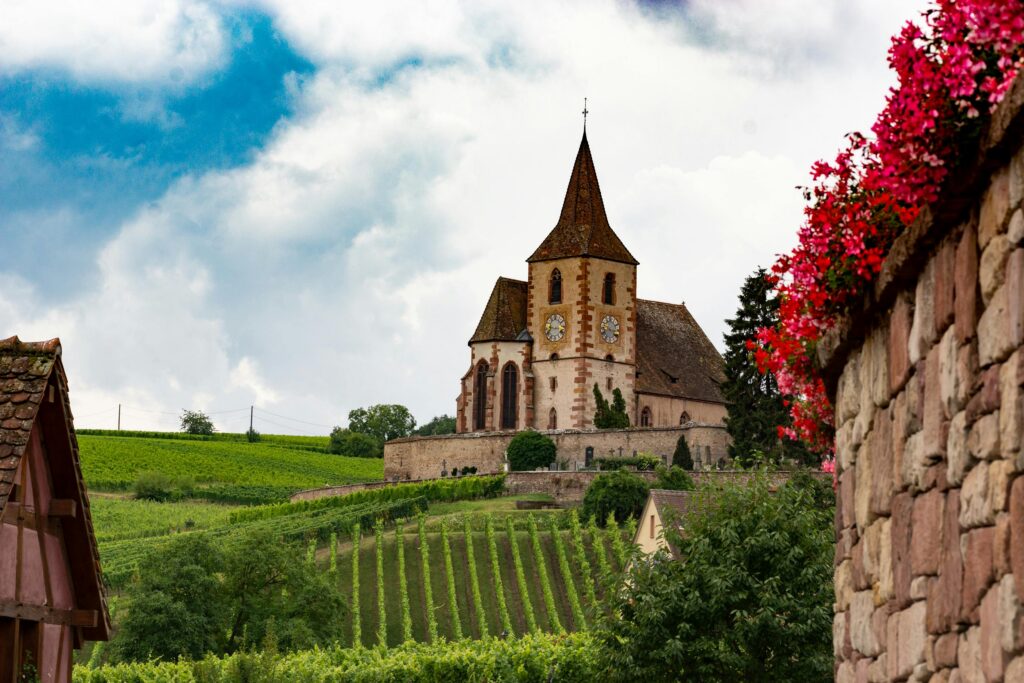
France Trip Length at a Glance
Here’s a starting framework before we get into the details:
- 7 days: Enough for one region done well, or Paris with a day trip or two. The constraint is not the days. It is the number of moves.
- 10 days: Where Paris plus one distinct region becomes possible without shortchanging either. The most common length for a first France trip.
- 14 days or more: Room for two or three regions, genuine rest, and the unscheduled time that France is best at filling in ways you did not plan for.
The question worth asking alongside “how many days” is “how many places”. In France, those two numbers need to be in honest conversation with each other.
Why Pace Matters More in France Than You Might Expect
France Is Built for Lingering
The experiences that define a great France trip are almost all time-dependent.
A proper morning at a Provençal market takes two hours. A long lunch in Burgundy is not a detour from the trip. It is the trip. Sitting at a cafe in the Marais long enough to stop feeling like a tourist requires a day or two, not an hour.
None of this is accessible when you are packing up and moving every other day. The experience of France is not in its checkboxes. It is in its rhythm, and rhythm requires staying put long enough for it to develop.
What Moving Too Fast Actually Costs
The TGV makes France feel smaller than it is. The train times look manageable:
- Paris to Avignon: about 2.5 hours
- Paris to Bordeaux: about 2 hours
- Paris to Nice: closer to 5.5 hours
What those numbers do not show: packing the night before, getting to the station, the wait, the train, the transfer on the other end, checking in, finding your bearings somewhere new. Any regional move costs the better part of a travel day.
On a 10-day trip with three moves, you have spent three days in transit that only look like three days spent enjoying France.
When I review itineraries with clients, the most common adjustment I make is removing a stop, not adding days.
How Many Regions Is Realistic
France has several meaningfully distinct regions, each with its own character and its own minimum investment of time:
- Paris
- Provence
- The Loire Valley
- The Dordogne
- The French Riviera
- Bordeaux
- Normandy
Each one deserves at least three days to feel worth visiting rather than just passed through.
Here’s a rough way to calculate: count the regions on your list, multiply by three, then add one transit day between each. That number is your baseline. If it exceeds the days you have, cut a region rather than compressing the time at each one. That trade almost always produces a better trip.
If you are still working out which regions fit your travel style, my guide to the best places to visit in France is organized by what you are actually looking for, not by popularity.
7 Days in France: What Works and What Doesn’t

Seven days is a real France trip. It just has to be a focused one.
Three approaches that hold up well at this length:
- Paris with day trips. Stay based in the city and let Versailles, the Loire Valley chateaux, or the Champagne region add range without requiring a relocation. You get Paris properly, plus a window into what lies beyond it.
- Provence as a standalone. Base yourself in Aix-en-Provence or a village in the Luberon and stay put. The markets, the hill towns, the lavender roads, the wine, the light in the afternoon. Provence has more than enough for a week, and it is at its best when you are not hurrying through it.
- The French Riviera from Nice. Nice puts you within easy reach of Monaco, Eze, Antibes, and Villefranche-sur-Mer. Seven days gives you the coast and a few easy day trips, without a single overnight relocation.
What does not work at 7 days: combining Paris with a southern or western region. The transit between them costs too much for the days you have. Pick one and commit to it.
Seven days also makes sense when France is one leg of a larger Europe trip. Arrive with clear priorities and protect them.
10 Days: Where France Opens Up
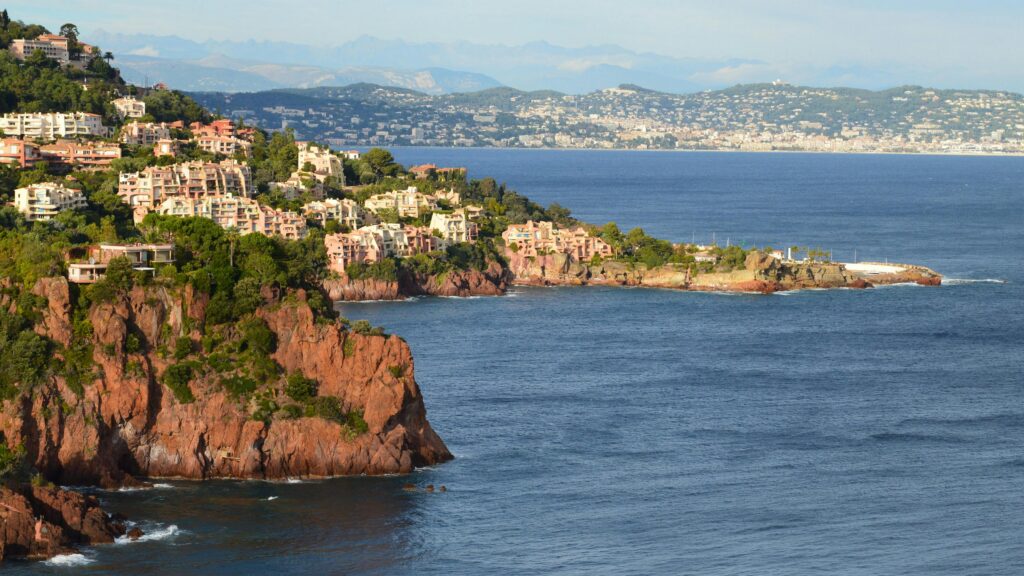
Ten days is the length where Paris plus one distinct region becomes possible without shortchanging either of them.
Some combinations that work well:
- Paris and Provence. Four or five days in Paris, then the TGV south to Avignon and a base in or near the Luberon. City energy followed by a complete change of pace. The contrast is part of the appeal.
- Paris and the Loire Valley. Three to four days in Paris, then a base in Amboise or Tours for four to five days. Chateaux, vineyards, quiet river towns, and enough time to rent a bike and wander without an agenda.
- A south-only circuit. Skip Paris entirely and spend 10 days in the south. Fly into Nice, spend time on the coast, move inland to Provence, fly home from Marseille or Nice. It’s one part of France, explored with real depth.
What 10 days protects that shorter trips often sacrifice: a full day to settle into each destination before you pick up the pace.
When Two Weeks Is Worth It
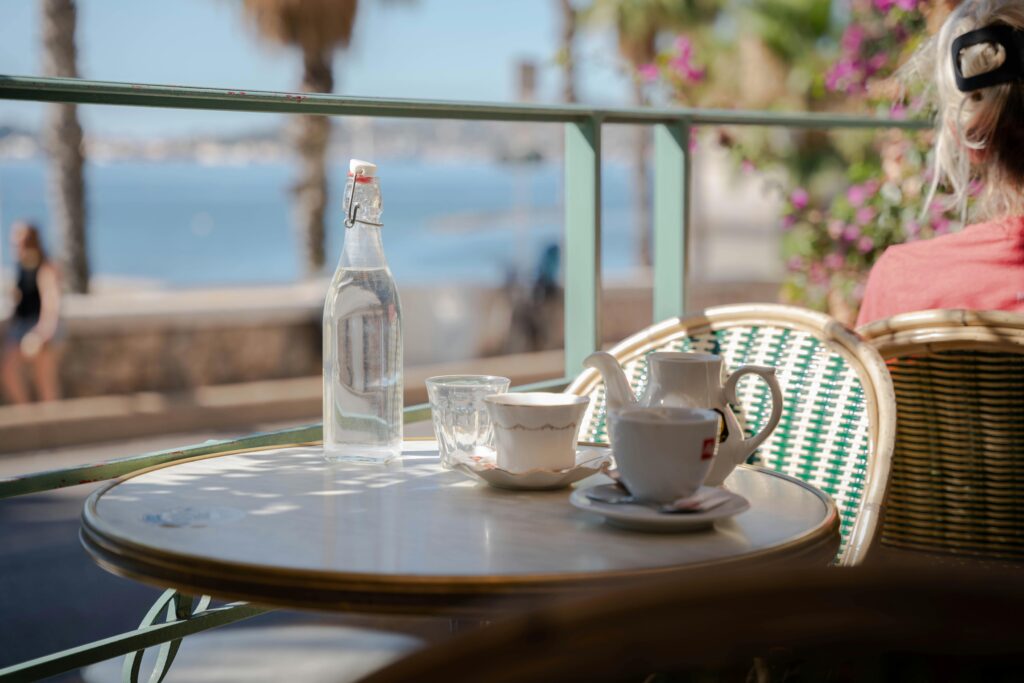
Two weeks is the length where you stop editing France and start experiencing it.
With two weeks you can:
- Cover two or three regions without anyone feeling rushed
- Build in a rest day without it feeling like a sacrifice
- Follow a restaurant recommendation on a Tuesday night without checking whether you have time
- Leave an afternoon unscheduled and let it become something
Two weeks makes the most sense when France is the trip, not a stop on a larger itinerary. It is also the right investment for milestone travel: an anniversary, a significant birthday, a trip that has been on the list for a long time. Those trips deserve room to unfold, not to be managed down to the hour.
Worth saying clearly: two weeks does not mean more places. Some of the best two-week France trips I have planned involved only two regions, visited slowly. The days go into depth, not distance.
Deciding What’s Right for Your Trip
Start with the regions you genuinely want to experience, not a list of everywhere you could go. Give each one three days. Add a transit day between them. Compare that number to what you have.
If the math doesn’t work, cut a stop before you cut the days at each one. That trade almost always produces a better trip.
If you’re not sure how to map what you want against the time you have, that is exactly the kind of conversation I’m here for. Reach out now and let’s talk about it.
Frequently Asked Questions About How Many Days to Spend in France
Seven days is enough for one region explored well. A week in Paris with day trips, a week based in Provence, or a week along the French Riviera can each be a complete and satisfying trip. Where 7 days falls short is when travelers try to layer in a second region. Every move between destinations costs the better part of a day in logistics, and on a 7-day trip, those days are too valuable to spend in transit.
Ten days is one of the strongest first France trip lengths. It makes Paris plus one distinct region possible without rushing either. You will have time to settle into each destination, experience it at an actual pace, and still see more than one side of France. Most first-time travelers find 10 days strikes the right balance between breadth and depth.
Plan for three to four days in Paris minimum. The first day is almost always an orientation day, especially after a transatlantic flight. By day two or three you are in a rhythm. If Paris is the only stop, five to six days gives you time for a day trip or two without feeling like you rushed the city itself. Paris rewards travelers who resist the urge to see everything at once.
If you have 7 days or fewer, commit to Paris or one other region rather than splitting time between them. If you have 10 days or more, adding a second region is very doable and gives a much fuller picture of what France actually is. Paris is extraordinary, but it is not France in full. The countryside, the coast, the wine regions: those are where many travelers say the trip really opened up for them.
The TGV is fast, but regional travel still takes most of a day when you account for the full picture: getting to the station, the train, arrival logistics, and settling somewhere new. Paris to Avignon is about 2.5 hours by train; Paris to Bordeaux is about 2 hours; Paris to Nice is closer to 5.5 hours. Budget one full transit day each time you change destinations, and your itinerary will reflect what the trip actually feels like.

Be the first to comment