


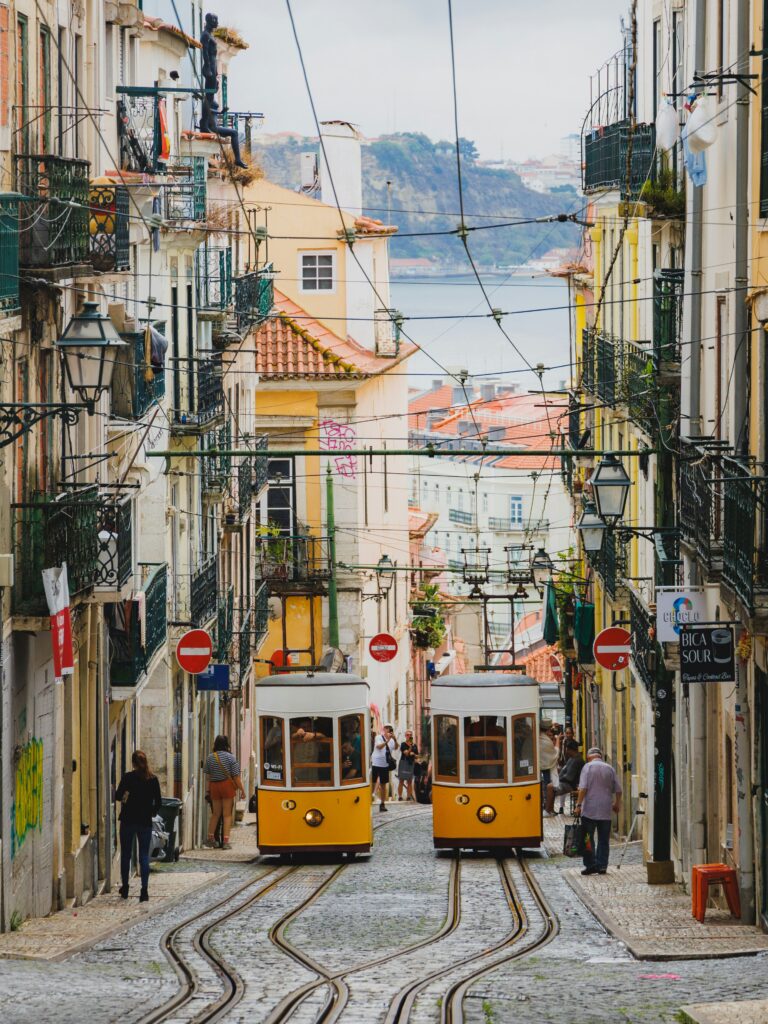

If you’re trying to decide whether Portugal or Spain is better for your first trip to Europe, I’ll save you some time: that’s not quite the right question. I get asked this constantly by first-time visitors to Europe, and the honest answer isn’t which country is the “best.” It’s which one gives you the experience you’re actually looking for.
Portugal and Spain sit on the same peninsula, share a border, and get lumped together constantly in travel planning. But anyone who has spent real time in both will tell you they feel remarkably different once you’re actually there. This guide isn’t a feature-by-feature scorecard for a Portugal vs Spain vacation. It’s built around fit: who each country is actually right for, and why.
Why “Portugal or Spain” Is the Wrong Question to Start With
Shared geography doesn’t mean a shared experience. Portugal and Spain get compared constantly because they’re neighbors, because both are often considered an easier entry point to Europe than France or Italy, and because both offer a lot of value relative to cost. But that’s where the similarity ends.
Once you know what kind of trip you actually want, the choice between them gets a lot clearer.
Portugal Is for You If…
You Want An Active Itinerary
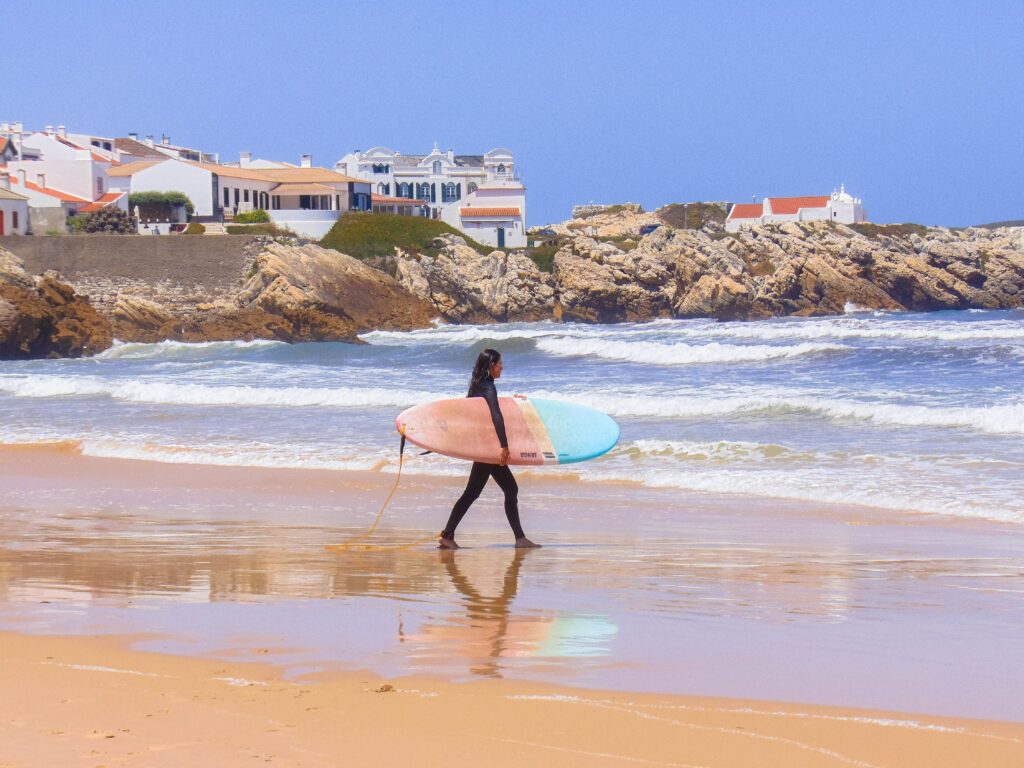
Portugal is a country for travelers who want to do things, not just see them. I sent clients to Portugal recently, and when I look back at their itinerary, almost nothing on it was a tour. It was almost entirely activity: an e-bike ride through Cascais-Sintra National Park, a 4×4 buggy adventure in Comporta, a surf lesson on the coast, a cataplana cooking lesson in Faro.
None of these revolves around standing in front of a landmark and checking it off a list. They require showing up and participating, which creates a different kind of travel memory entirely.
You Want to Know a Place Through Its Culture, Not Its Monuments
Portugal has fewer must-see landmarks than people expect, but that doesn’t mean the culture is thin. It means the culture shows up differently: through experience rather than display.
In the north of Portugal, I spent time learning about Lovers’ Handkerchiefs, the embroidered cloths young women historically gave to suitors, each stitch carrying its own meaning. In Viana do Castelo, I visited a museum dedicated to the region’s traditional dress, where every variation in embroidery and color reflects a different village or occasion. And in Coimbra, I enjoyed a private fado experience at the university, the very place this style of music has been performed for generations. You don’t watch fado like this from a distance. Sitting just a few feet away, it feels less like a performance and more like being welcomed into a tradition.
This is where Portugal’s culture actually lives: not in a single landmark you photograph and move past, but in these smaller, lived-in moments scattered across the country.
Spain Is for You If…
You Want Grand, Recognizable Sites
For many travelers, a first trip to Europe comes with certain images already in mind: extraordinary architecture, world-famous museums, and places that feel instantly recognizable.
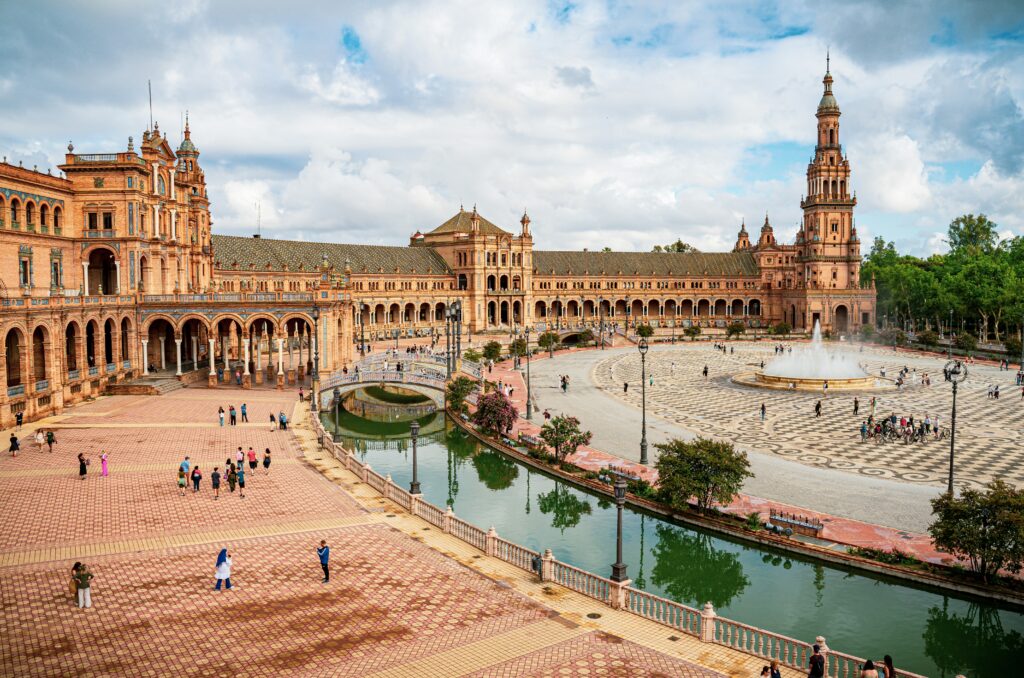
Spain delivers those moments in abundance. Whether it’s standing inside the Sagrada Família watching rainbow-colored light filter through the stained glass, wandering the palaces of the Alhambra, gazing up at the arches of La Mezquita, or spending an afternoon in the Prado, Spain gives first-time visitors more opportunities to experience the landmarks and cultural icons that helped shape their idea of Europe in the first place.
That’s not necessarily better than what Portugal offers. It’s simply a different kind of experience.
You Want Regional Diversity in One Trip
What keeps Spain from feeling like a checklist is the regional identity underneath it. The Basque Country, in the north, has its own language and one of the best food cultures in Europe, built around pintxos rather than formal tasting menus. Andalusia, in the south, is where flamenco originated and where centuries of Moorish rule shaped the architecture you’ll see in Seville, Córdoba, and Granada.
Beyond those two regions, Catalonia has its own language and identity centered around Barcelona, Galicia can feel more Celtic than Mediterranean, and Madrid serves as a cultural and geographic crossroads rather than a representation of Spain as a whole. You can move a few hours on your first trip to Spain and truly feel like you’ve entered a different place.
I’ve personally visited Spain five times, and I’ll never stop coming back. It’s the regional differences that keep pulling me in. You really feel them in the food, the language, the architecture, and even the people themselves. It’s what makes me want to keep exploring the smaller corners of Spain that don’t always make it onto the typical first-time itinerary.
You Want Energy and Atmosphere
One thing Spain consistently delivers better than almost anywhere else in Europe is public life.
Cities feel lived in at all hours. People gather in plazas late into the evening. Families linger over dinner. Cafés spill onto sidewalks. Even in Barcelona and Madrid, there’s often a sense that life happens outside rather than behind closed doors. I’ve spent countless evenings wandering Spanish cities after dark, and some of my favorite travel memories have come from simply joining that rhythm of daily life.
For many first-time visitors to Europe, that vibrant street life is part of what they imagined the continent would feel like before they ever booked a flight. Portugal can feel quieter and more introspective by comparison. Spain tends to feel bigger, louder, and more social.
Getting Around Portugal vs Spain
If you’re wondering whether Portugal or Spain is easier to visit without a car, the answer depends largely on where you plan to go.
Most Portugal itineraries end up involving a rental car for at least part of the trip. It’s easy to go between Porto and Lisbon by train alone, no car needed. If you want to see smaller towns like Coimbra or Aveiro along the way, those work best as day trips from Porto or Lisbon. A private transfer is a good option to access them if you don’t want a car in the cities. It’s once you start adding places like Comporta or the Algarve, which is what most people actually want on a Portugal trip, that a rental car becomes essential.
Spain is the better choice if you don’t want to drive on vacation at all. Madrid, Barcelona, Valencia, Seville, and other major cities connect quickly and reliably by rail, and there are a lot more route options if you want to avoid getting behind the wheel altogether. The north is the exception. Reaching the Basque Country or Galicia usually means a longer train ride or a flight, then a transfer or a rental car from there. It takes more effort, but it’s still more doable car-free than Portugal’s Algarve.
What About Weather?
Weather usually isn’t the deciding factor between Portugal and Spain because neither country has a single climate.
Portugal’s weather is shaped heavily by the Atlantic. In general, you’ll find cooler summers in the north and along the coast, while the south is warmer and sunnier for much of the year.
Spain varies far more by region. The green north feels entirely different from the Mediterranean coast, and both feel different again from inland cities like Madrid, Seville, and Córdoba, where summer temperatures can climb significantly higher.
Rather than asking which country has better weather, it’s more useful to think about the specific regions you’re considering and the time of year you’re traveling. A summer trip to northern Spain may feel completely different from a summer trip to Andalusia, just as Porto and the Algarve can feel like different seasons altogether.
What About Doing Both?
Combining Portugal and Spain into one trip is possible, but it starts with letting go of one idea: that you’ll get the full experience of either country. You won’t, not in one trip. What you can do is choose the destinations in each place that actually matter to you.
This is also where working with a travel advisor becomes particularly valuable, because the right combination depends entirely on the traveler. I don’t give one client’s itinerary to another and expect it to fit. It depends on travel history, goals, and what each person is actually looking for.
One pattern I’ve noticed over the years is that many travelers like to start in Spain to visit the cities, enjoy the food, and have the experiences that matter most to them. Then they end either in the north of Portugal for a slower few days among the wineries, or the south of Portugal for rest along the coast.
That’s one shape of many your trip could take. The real constraint isn’t options. It’s time. The more time you have, the more of both countries you can actually experience rather than rush through.
So Which One Is Actually Right for You?
This was never really a Portugal vs Spain travel debate with one right answer. It’s a question of what you want this trip to feel like. For activity-led travel and culture you participate in rather than simply observe, Portugal is likely the better fit. For recognizable landmarks, strong regional diversity, and the energy of a country that lives outdoors, Spain is likely the better fit.
If you’re still not sure which one fits what you’re picturing, a conversation settles it faster than more research will. Reach out here, and we’ll figure out together whether Portugal or Spain is better for your first trip to Europe.
Frequently Asked Questions About Choosing Portugal or Spain
Portugal is generally less expensive than Spain for comparable hotels, dining, and tours, though the gap has narrowed in recent years in popular areas like Lisbon and the Algarve. In Spain, smaller cities and regions outside Madrid and Barcelona can offer similar value to what you’ll find in Portugal, especially if you travel beyond the major hubs.
Neither is universally better. Portugal is often a stronger fit for first-time visitors who want activity-led travel and culture experienced through hands-on moments rather than sightseeing alone. Spain tends to suit travelers who want recognizable landmarks, major cultural sites, and strong regional diversity within a single trip.
Yes, it’s absolutely possible to combine Portugal and Spain in one itinerary, but the key is choosing specific destinations in each country rather than trying to see everything. The most successful trips focus on a few meaningful experiences in Spain, then pair them with either northern Portugal’s wine regions or southern Portugal’s coastline for a slower ending.
Spain has one of the most extensive high-speed rail networks in Europe, making it easy to travel between major cities without driving. In Portugal, the route between Lisbon and Porto is simple by train, but exploring the Algarve and smaller coastal towns is much easier with a rental car or private transfer.
Many travelers find Spain offers more culinary variety within a single trip, thanks to distinct regional cuisines like Basque pintxos, Andalusian tapas, and Galician seafood. Portugal’s food culture is equally strong, but tends to feel more cohesive, with seafood, pastries, and regional specialties that evolve more subtly from north to south.
A week is enough to experience either Portugal or Spain well if you focus on one region rather than trying to cover the entire country. In Portugal, that might mean Lisbon and Porto or Lisbon and the Algarve. In Spain, it could mean pairing Madrid with Andalusia or focusing on Barcelona and the Catalonia region. Trying to combine major cities like Lisbon and the Algarve, or Madrid and Barcelona, in a single week usually sacrifices depth for travel time.

Be the first to comment