


It may be one of the most researched destinations in the world, but travelers planning a first trip to Italy still run into the same avoidable mistakes. Usually, it’s not about choosing the wrong cities. It’s about pacing, logistics, timing, and assumptions that seem harmless during planning.
As a travel advisor, I talk with first-time Italy travelers all the time. These are the details that come up frequently: the logistics destination guides gloss over, the assumptions that create problems later, and the decisions that shape how a trip actually feels once you’re there.
If this is your first trip to Italy, these are the planning mistakes I’d avoid.
Italy Trip Planning Tips Most First-Time Visitors Miss
Book around Italian holidays and plan for train strikes
Italian holidays affect travel more than many first-time visitors expect. Ferragosto, on August 15th, is the clearest example: many local businesses close, cities empty out, and travel patterns change. Easter brings the opposite problem, with crowds that rival peak summer at major sites. Local feast days vary by city and can cause museum and church closures with little notice. This is exactly why timing matters more than many first-time visitors realize, and I break that down in my guide on the best time to visit Italy.
Then there are train strikes, or scioperi, which are common enough that they deserve a place in any Italy planning conversation. They’re legal, they’re announced in advance, and they happen with enough regularity that they belong in any Italy trip conversation. You can check for announced strikes before you travel. What’s harder to manage on your own is knowing the backup options if a strike falls on a travel day. You may not be able to avoid every disruption, but knowing the fastest and smartest backup options can make all the difference when one affects your plans.
Choose accommodations that match how you actually travel
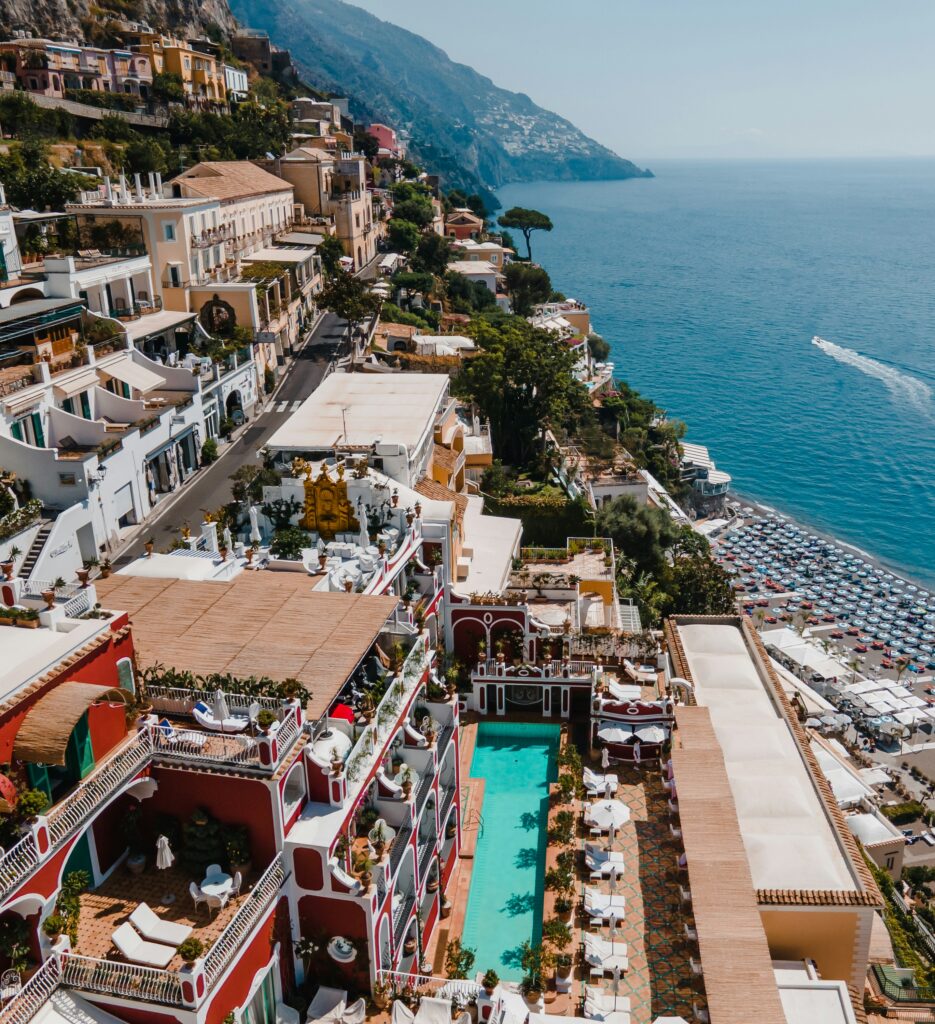
Italy’s most celebrated destinations are also some of its most physically demanding. Positano is built into a cliffside. Cinque Terre’s villages are connected by trails and stairs. Hilltop towns in Tuscany and Umbria often have no flat ground to speak of, and the walk from a parking area or train station can be significant. None of this is obvious when you’re scrolling beautiful photos online.
The right accommodation for your Italy trip isn’t just about the star rating or the view. It’s about whether it works for the people who will be staying there. A property that’s ideal for a couple in their thirties may be the wrong choice for a multigenerational group or anyone with mobility considerations. It’s one of the first filters I apply with clients, because the wrong hotel can quietly drag down an otherwise great trip.
Pacing Your First Trip to Italy
Travel time between cities is longer than it looks
Italy’s rail network can be excellent, but travelers often underestimate everything surrounding the train itself. Getting to and from stations, navigating platforms with luggage, building a buffer for delays, and recovering after a travel day all add up. An itinerary that lists three cities in five days looks manageable on paper and feels exhausting in practice.
Building the itinerary is one of the most common places first-time visitors over-commit. The train ride itself is rarely the problem.
Depth beats breadth on a first trip
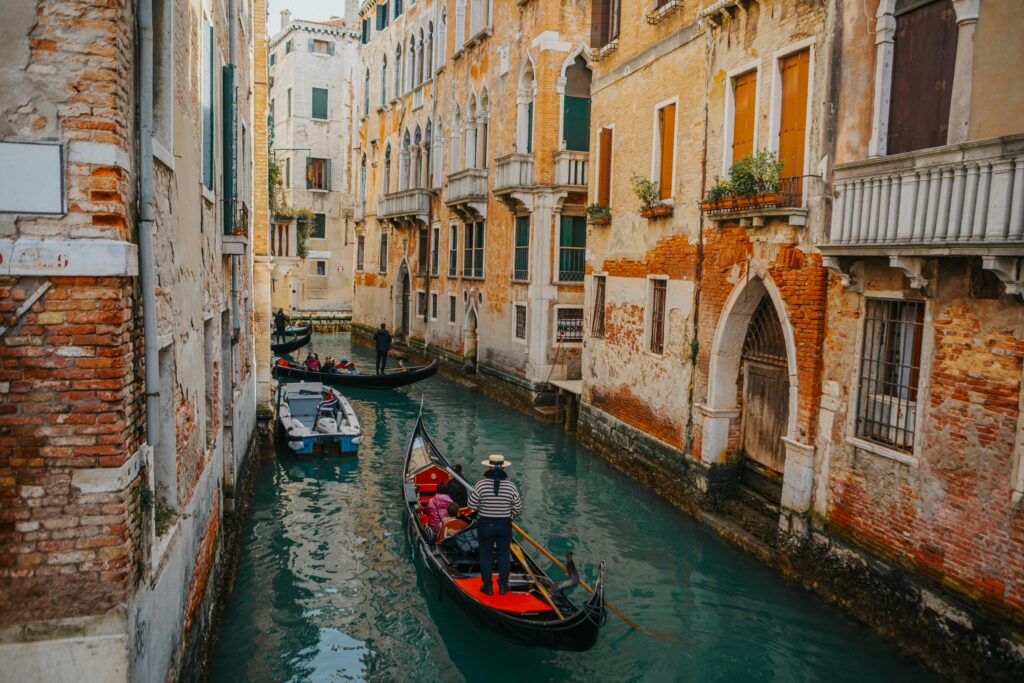
The instinct to see Rome, Florence, Venice, the Amalfi Coast, and Cinque Terre in ten days is understandable. It’s also almost always a mistake. If you’re working through how many days you need in Italy, my guide walks through the tradeoffs in detail.
Italy is one of those destinations where packed itineraries become exhausting quickly. Walking cities, stairs, crowded stations, late dinners, heat, museum fatigue, and constant hotel changes all take more energy than travelers expect going in.
What I hear again and again after clients return is this: the trips they loved most were not the ones with the longest checklist. Fewer places, more time in each. Enough time in a city to go back to the restaurant you liked on the first night, to wander without an agenda, to feel like a person rather than a visitor on a schedule.
Knowing what to cut from an itinerary is harder than knowing what to add. That’s where experience building these trips makes a real difference.
On the Ground in Italy
Timed entry is non-negotiable

The Colosseum, the Uffizi, the Vatican: all three require timed entry tickets, and missing your window means missing the site entirely. There is no waiting in a longer line as an alternative. During peak season, entry windows at the most popular sites fill weeks in advance. Sorting this out before you leave home is part of planning a trip to Italy well, not an afterthought. My guide on how far in advance to plan a trip to Italy can help with booking timelines.
Restaurants run on their own schedule
One of the biggest misconceptions about Italy is that you can casually wander into every great restaurant you saved on Instagram. Walk-in culture is largely a myth at popular spots, particularly in Rome and Florence during high season. If a restaurant is on your list, book it before you arrive.
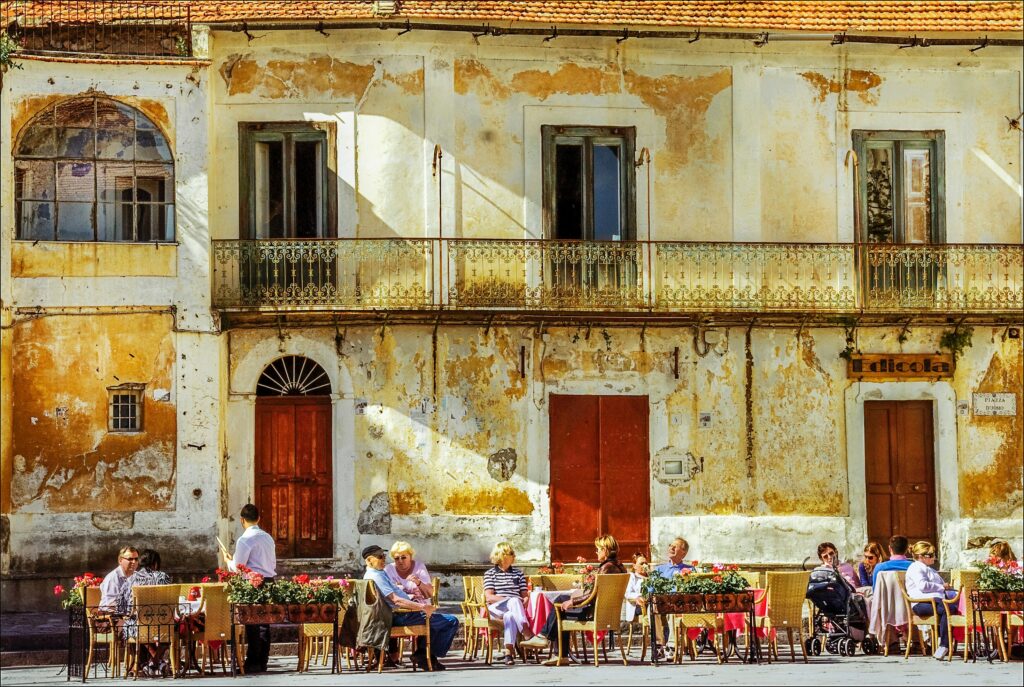
Italian kitchens also operate on a schedule that takes some adjustment. Lunch service typically ends around 2:30 or 3pm, and dinner doesn’t begin until 7:30 or 8pm. The hours in between are quiet: many restaurants close entirely. Adjusting to that rhythm makes the experience better, not just more manageable.
ZTL zones and International Driver’s Permit
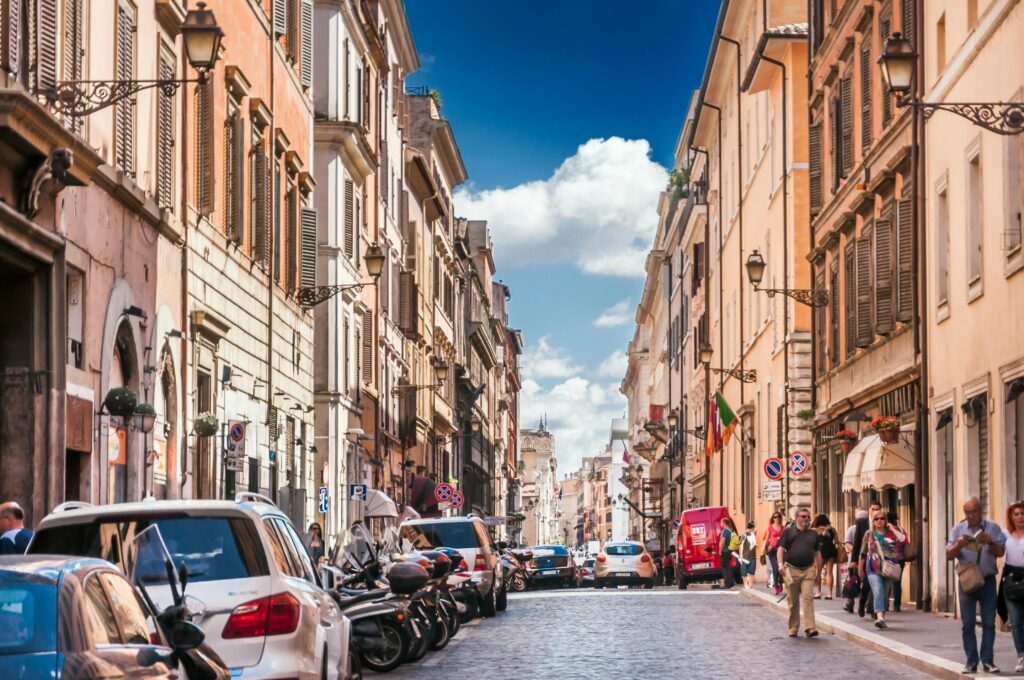
If you’re renting a car for any part of your trip, ZTL zones require your attention before you drive anywhere. ZTL stands for Zona a Traffico Limitato: restricted traffic areas that cover the historic centers of most major Italian cities. Driving into one without authorization generates a fine that arrives by mail weeks after you’re home, often with no warning that it’s coming. A car works well for rural itineraries in Tuscany or Puglia, but it’s the wrong tool for navigating city centers.
You’ll also want to handle the paperwork side of things before departure. Many rental agencies require an International Driving Permit (IDP) in addition to your regular driver’s license. For U.S. travelers, AAA is typically the simplest place to get an IDP. This is something to arrange at home before you leave, not after you arrive in Italy.
Money Matters
You can absolutely use cards for most purchases in Italy now, but cash still matters more than many Americans expect. Carrying some euros helps you avoid small frustrations that feel much bigger when you’re on vacation. I always recommend ordering Euros from your bank prior to your trip, or withdrawing cash from a bank-operated ATM in Italy. Using a currency exchange desk will almost certainly give you unfavorable rates.
What Makes an Italy Trip Feel Better
The travelers who enjoy Italy most are rarely the ones who tried to fit in the most. The ones who come home most satisfied showed up knowing what to expect and gave themselves room to actually experience the country.
If you’re still deciding where to go, my guide to the best places to visit in Italy is the right next step.
Frequently Asked Questions About Your First Trip to Italy
For most restaurants worth visiting, yes. Popular restaurants in Rome, Florence, and other major cities fill up quickly, especially during high season. If a specific restaurant is on your list, book it before you arrive. Many top spots open reservations one to three months out.
Major sites including the Colosseum, the Uffizi, and the Vatican require timed entry tickets purchased in advance. Each ticket is assigned a specific entry window, and arriving outside that window means you will not be admitted. During peak season, these windows sell out weeks ahead. Buy tickets through the official attraction websites before you leave home. Waiting until arrival is one of the easiest ways to miss these sites entirely.
Renting a car makes sense in rural areas like Tuscany or Puglia where public transit is limited. It is not recommended for city travel. Most major Italian city centers are designated ZTL zones, and driving into one without authorization results in fines that arrive by mail after you’ve returned home. You’ll also need an International Driving Permit in addition to your regular license. U.S. travelers can get one through AAA before departure.
There’s no fixed number, but plan to carry some euros at all times. Smaller restaurants, local markets, some churches, and certain transportation situations are still cash-only. A reasonable starting point is €100-200 per week. If needed, you can withdraw more cash through a bank-owned ATM. Notify your bank before you travel to avoid card blocks.
Over-scheduling is the most consistent one. Trying to visit too many cities in too few days leaves travelers feeling like they moved through Italy rather than experienced it. After that: not booking timed entry tickets in advance, not checking restaurant hours before showing up, and underestimating how much time transfers between cities actually take.

Be the first to comment